

Sealing the Deal: Understanding the Importance of Outdoor Window Silicone
Outdoor Window Silicone: Superior 2025 Protection
Outdoor Window Silicone NYC/NJ: Pro Seals in 48 Hours at Fair Pricing—Stop Leaks, Cut Bills 20% [2025]
Outdoor window silicone is your building’s primary defense against water damage, energy loss, and costly repairs. If you’re noticing drafty windows, rising energy bills, or visible cracks around your window frames, failing silicone seals are the likely culprit.
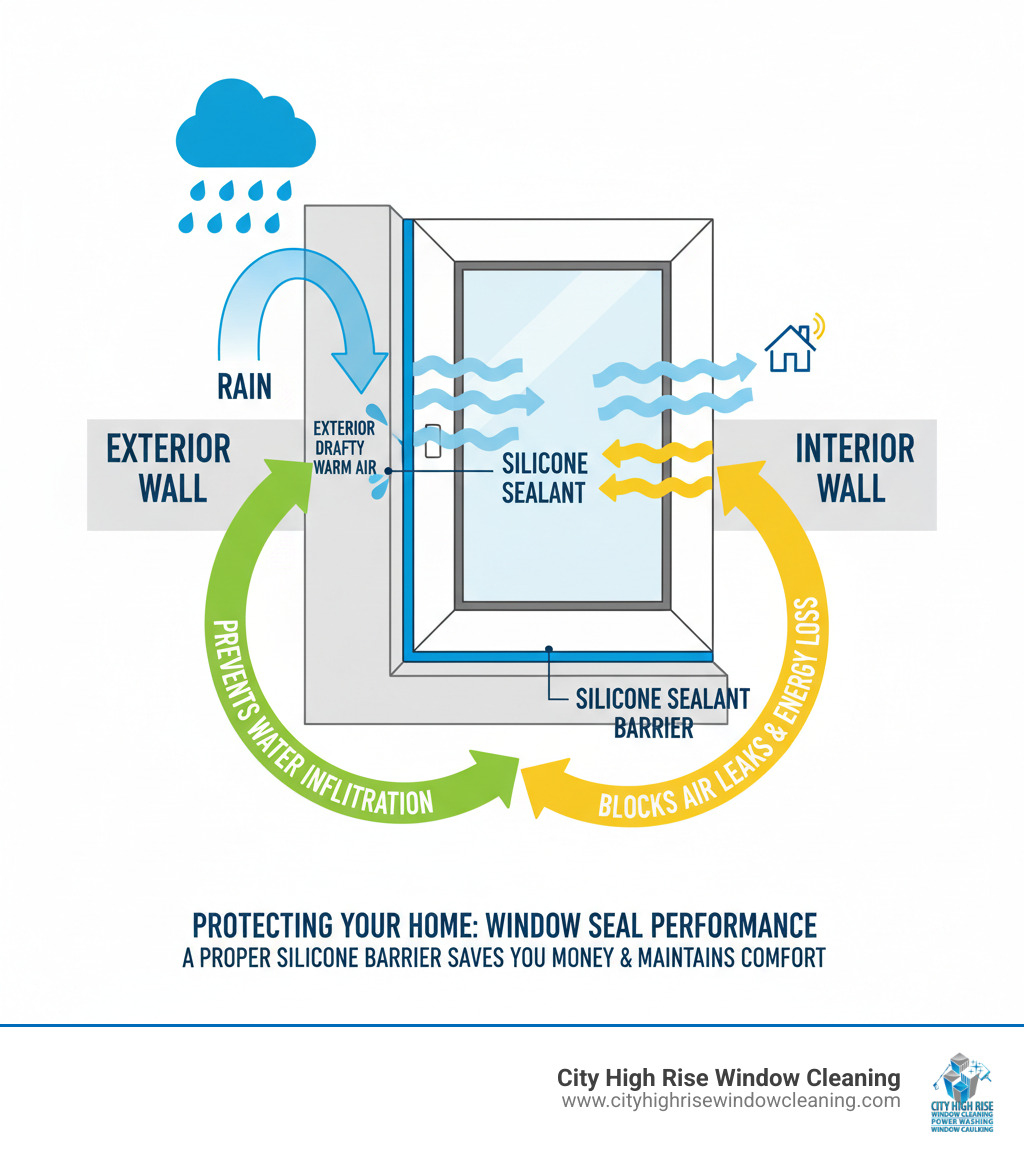
This flexible, waterproof sealant creates a protective barrier that:
- Prevents water infiltration and resists mold growth.
- Blocks drafts and seals air leaks, reducing heating and cooling costs.
- Protects your building for 10-20 years when applied correctly.
Look for peeling, cracking, or gaps as signs of seal failure. For the best protection, use a 100% neutral-cure silicone with UV resistance. A proper seal stops rain from seeping behind frames and prevents cold air from driving up heating bills. Without it, even the best windows are vulnerable.
I’m Brett Hochman, CEO of City High Rise Window Cleaning. With over 48 years of experience maintaining building exteriors across New York City and New Jersey, I know that properly sealed windows can save property owners tens of thousands in repairs and energy waste.
Why Silicone is the Superior Choice for Sealing Outdoor Windows
When protecting your property from New York’s winters and New Jersey’s humid summers, the right window sealant is critical. Outdoor window silicone is the gold standard, creating a robust, long-lasting barrier against the weather. Many buildings suffer from water damage and high energy bills due to cheaper alternatives or delayed resealing. Your windows are only as good as their seals; exterior silicone caulk is the best choice for sealing drafty windows and doors.
Unpacking the Key Properties of Outdoor Window Silicone
Silicone’s properties are best by other sealants for outdoor applications.
- Durability: Unlike acrylic or latex, silicone doesn’t crack or break down from sun and rain. A properly applied seal can last 10 to 20 years.
- 100% Waterproof: It creates an impenetrable barrier against rain, snow, and ice, preventing water infiltration that leads to mold, rot, and costly structural damage.
- UV Resistance: Silicone maintains its flexibility and adhesion even after years of harsh sun exposure, unlike other materials that crack and crumble.
- Flexibility and Joint Movement: Buildings and windows expand and contract with temperature changes. Quality silicone handles significant movement (often ±50%), stretching and compressing without losing its seal.
- Extreme Temperature Resistance: It performs consistently in both single-digit winter cold and 90-degree summer heat, never becoming brittle or soft.
- Adhesion: Silicone bonds strongly to glass, vinyl, metal, wood, and masonry. High-quality formulas meet standards like ASTM C920, certifying their performance.
These properties create a permanent, weatherproof barrier that also resists mold and mildew. It’s why we exclusively use high-grade silicone for our Window Caulking Services.
Your Home’s First Line of Defense Against Weather & Energy Loss
Think of outdoor window silicone as a 24/7 shield for your building. On high-rises, where wind and weather are amplified, this protection is essential.
Silicone provides an impenetrable barrier against wind-driven rain, which is common in the urban canyons of New York City and coastal New Jersey. It stops water before it can get into wall cavities and cause damage.
The energy savings are also significant. By preventing air infiltration, silicone seals the tiny gaps around window frames that let cold air in during winter and hot air in during summer. This reduces thermal transfer, so your HVAC system doesn’t have to work as hard. Property owners can see utility bill reductions of 10-20% or more after properly sealing their windows. A well-sealed building is more comfortable, has less dust, and puts less strain on your HVAC system, extending its lifespan. This is why proper sealing is a key part of comprehensive building maintenance, whether you need window restoration or preventive caulking.
Choosing the Right Type of Silicone Sealant
Not all outdoor window silicone products are created equal. Choosing the wrong type can lead to a seal that fails in a few years or even damages your window frames. The most important distinction is the curing system: neutral-cure versus acetoxy-cure.
Neutral-Cure vs. Acetoxy-Cure: What’s the Difference?
Acetoxy-cure silicone is the traditional type with a strong vinegar smell, caused by the release of acetic acid as it cures. While it cures quickly, this acid can corrode metals like aluminum and damage plastics like PVC, making it a poor choice for many modern window frames.
Neutral-cure silicone, on the other hand, releases non-acidic compounds (like alcohol) during its cure, resulting in a low-odor product that is safe for virtually all building materials. It won’t corrode metal or harm PVC, providing excellent, long-lasting adhesion. Though it may cure slightly slower, its non-corrosive nature makes it the professional’s choice for protecting your investment, especially on high-rise buildings across Long Island, Westchester, and New Jersey.
| Feature | Neutral-Cure Silicone | Acetoxy-Cure Silicone |
|---|---|---|
| Curing Byproduct | Releases alcohol or other non-acidic compounds | Releases acetic acid (vinegar smell) |
| Odor | Low odor, less pungent | Strong vinegar-like odor during curing |
| Material Safety | Non-corrosive, safe for most materials (PVC, metal) | Can corrode certain metals, etch plastics, or stain porous surfaces |
| Adhesion | Excellent adhesion to a wide range of substrates | Good adhesion, but less versatile than neutral-cure |
| Cure Time | Generally slower cure time | Faster cure time |
| Flexibility | High flexibility and joint movement | Good flexibility |
| Applications | Preferred for windows, doors, sensitive materials | Commonly used in bathrooms, kitchens (tiles, glass) |
Special Considerations for Different Types of Outdoor Window Silicone
- For PVC, Aluminum, and Metal Frames: Always use a 100% neutral-cure silicone. Its non-corrosive formula ensures a secure bond without damaging the frame material.
- For Wood, Masonry, and Composite Materials: A high-quality, neutral-cure silicone is also the best option due to its superior adhesion and compatibility with this wide range of materials.
- For a Paintable Finish: Traditional 100% silicone repels paint. If you need to paint over the seal, look for a “paintable silicone” or a “siliconized acrylic latex” hybrid formula. These offer good waterproofing with the paintability of acrylic, though they may not have the same extreme longevity as pure silicone.
When selecting a sealant, check the technical data sheet for compatibility and look for products meeting ASTM C920 standards for high performance. When in doubt, a neutral-cure, 100% silicone sealant is the safest bet. Our window caulking services take the guesswork out of selecting the right product for your building.
A Step-by-Step Guide to Applying Outdoor Window Silicone
Even the best outdoor window silicone will fail if not applied correctly. The difference between a seal that lasts 20 years and one that fails in two is almost always in the preparation and technique. A proper seal requires patience and a perfectly clean surface.
Essential Tools and Surface Preparation
Preparation is everything. Spend the majority of your time on this phase to ensure a long-lasting bond. You’ll need a quality caulking gun, a utility knife, a scraper tool, a cleaning solvent compatible with your frame (like mineral spirits or rubbing alcohol), lint-free rags, backer rod for large gaps, and painter’s tape for clean edges.
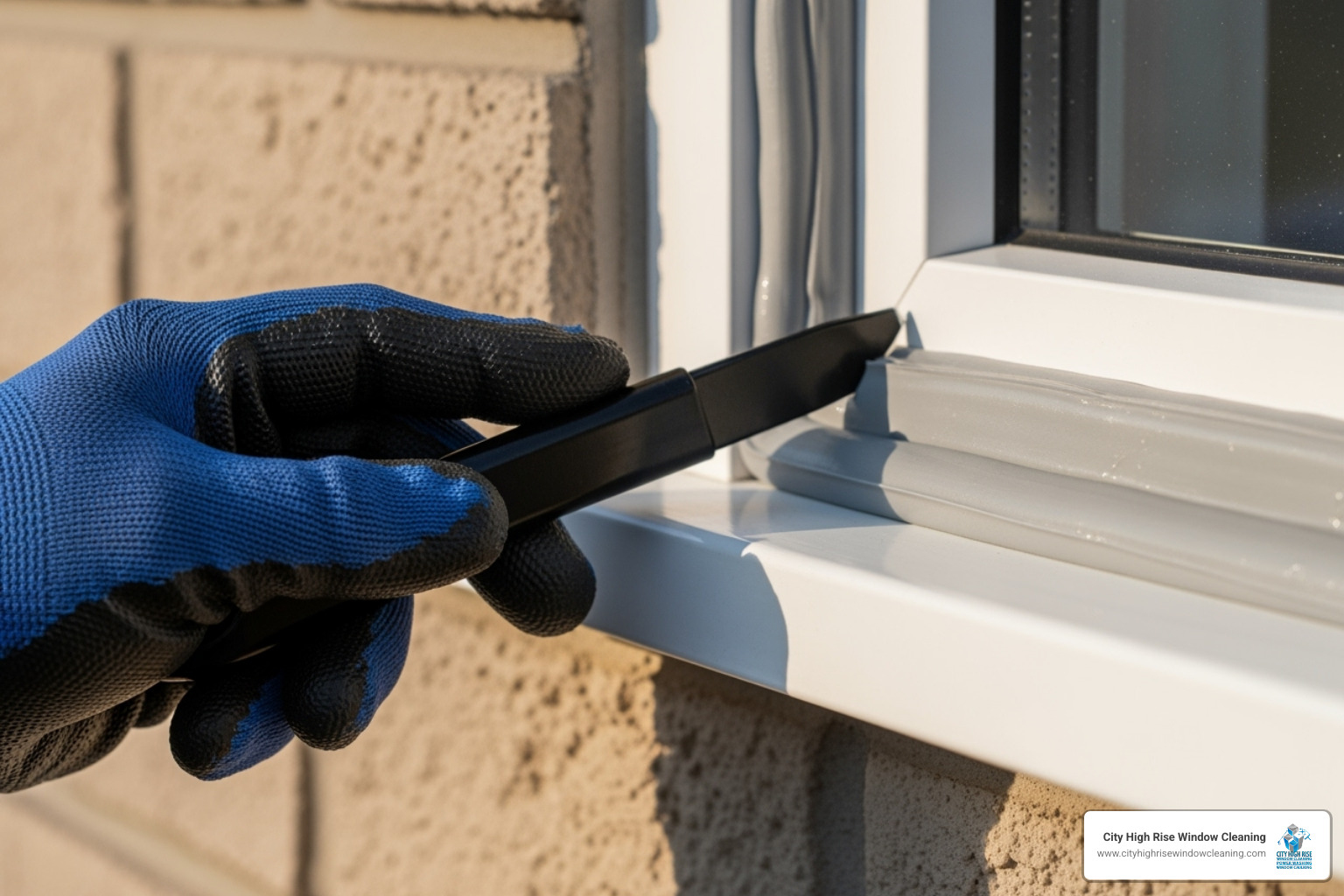
- Remove Old Sealant: Use your utility knife and scraper to dig out every trace of old caulk from the joint. You need a bare surface for the new sealant to adhere to.
- Clean the Joint: Wash the area with soap and water, rinse, and then wipe down with a solvent on a lint-free rag to remove any stubborn grease or residue. Always test solvents on a hidden spot first.
- Dry Completely: The surface must be bone-dry. Moisture is the enemy of adhesion. On a humid day, wait longer than you think is necessary.
- Tape for Clean Lines: Apply painter’s tape along both sides of the joint to protect surrounding surfaces and create a sharp, professional finish.
For windows needing more than just resealing, our Window Restoration services can prepare the entire area for a proper seal.
Application Technique for a Perfect, Long-Lasting Seal
With your surface prepped, you’re ready to apply the outdoor window silicone.
- Prepare the Nozzle: Cut the nozzle of the sealant tube at a 45-degree angle to a size that matches your gap. Puncture the inner seal.
- Apply the Sealant: Hold the caulking gun at a 45-degree angle and apply steady, even pressure, moving smoothly along the joint to lay a continuous, uniform bead.
- Use Backer Rod for Large Gaps: For gaps wider than half an inch, first press a foam backer rod into the gap. This ensures the sealant adheres to only two sides of the joint, allowing for proper movement and preventing failure.
- Tool the Sealant: Immediately after application (within 2-5 minutes), use a caulk tool or a wet, gloved finger to press the sealant firmly into the joint. This ensures good contact and a watertight seal.
- Remove Tape and Cure: Remove the painter’s tape right after tooling for a clean edge. Check the product’s instructions for curing time. While many are “rain-ready” in 30 minutes, a full cure can take 24 hours or more. Do not disturb the seal during this time.
This process creates a professional-grade seal. For multi-story buildings where this work is complex and dangerous, our Window Caulking Services handle everything from prep to final inspection.
Maximizing Lifespan and Troubleshooting Common Failures
Even the best outdoor window silicone requires inspection and maintenance. Understanding what affects its lifespan and how to spot problems early can add years to your window seals.
How Long Does Outdoor Window Silicone Last?
When properly applied, a high-quality outdoor window silicone seal typically lasts 10 to 20 years. Several factors determine its longevity:
- Product Quality: Premium 100% silicone with UV resistance and high flexibility will always outlast cheaper alternatives.
- Application Quality: A seal applied to a dirty or improperly prepared surface will fail quickly, regardless of product quality.
- Climate Exposure: Windows facing intense sun (south/west) or subject to the harsh freeze-thaw cycles of New York winters will age faster.
- Joint Movement: While silicone is flexible, excessive movement can wear it down. Using backer rod in large gaps is essential to manage this stress.
Regularly inspect your seals, especially after harsh weather, and address small issues before they become big problems.
Avoiding Common Sealant Failures
Most sealant failures are avoidable. Here’s what to look for and how to prevent it:
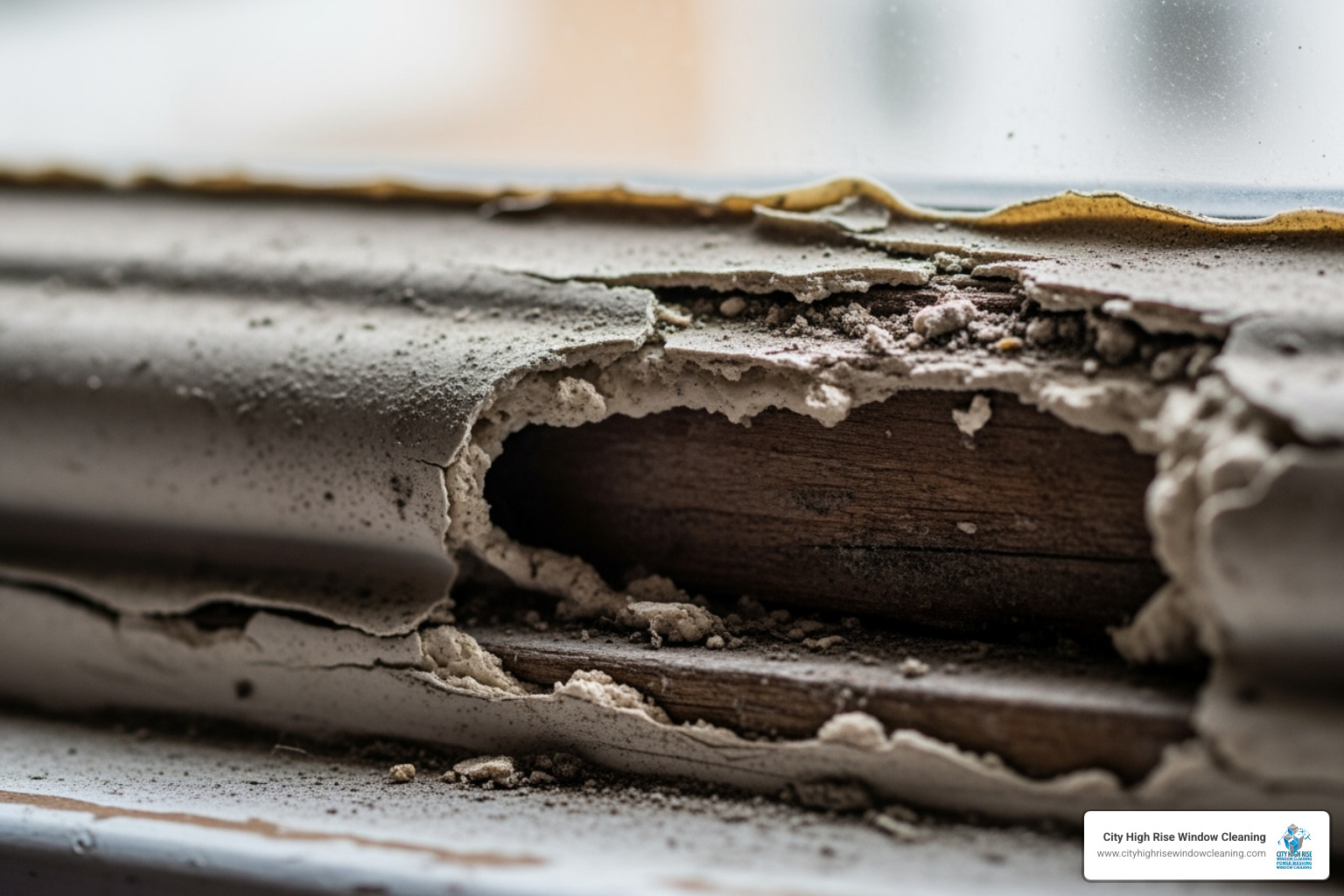
- Adhesion Failure (Peeling): This occurs when the sealant pulls away from the frame. It’s almost always caused by poor surface preparation (dirt, moisture, old caulk). Prevention: Thoroughly clean and dry the surface, use the correct neutral-cure silicone for your materials, and tool the bead firmly into the joint.
- Cohesion Failure (Splitting): This is when the sealant cracks down the middle. It usually means the joint movement is greater than the sealant can handle. This can be caused by applying the bead too thinly or failing to use a backer rod in a deep joint. Prevention: Use a high-flexibility silicone and always install backer rod in gaps wider than half an inch.
- Discoloration and Cracking: Yellowing, chalking, or cracking is a sign of UV degradation, common in lower-quality sealants. Black spots indicate mildew. Prevention: Use a high-quality 100% silicone with built-in UV inhibitors and mildew resistance.
Most failures trace back to poor prep, the wrong product, or skipping the backer rod. If you see these signs on your building in New York City or New Jersey, our high rise window caulking services can restore protection before water damage occurs.
Frequently Asked Questions about Outdoor Window Silicone
Here are answers to the three most common questions I get from property owners across New York City, Long Island, Westchester, and New Jersey.
Can you put new silicone over old silicone on windows?
No. New silicone will not bond properly to old, cured silicone. For a durable, waterproof seal, you must completely remove all old sealant, clean the joint thoroughly, and start fresh on a clean, dry surface. Applying new sealant over old guarantees premature failure.
What is the best sealant for outdoor windows?
A 100% silicone sealant rated for exterior use is your best choice. For most modern windows with PVC or metal frames, a neutral-cure silicone is essential because it’s non-corrosive and provides superior adhesion and flexibility. Look for products with UV resistance and high joint movement capability (at least +/- 25%) to handle our region’s weather.
How do you know if your window seals are bad?
Your building will show you. The most obvious signs are visible cracks, gaps, or peeling sealant. Other red flags include feeling drafts near closed windows, water stains on interior walls, or an unexplained increase in your energy bills. These all point to compromised seals that need immediate attention. If you see these issues, our Window Caulking Services can provide a professional assessment.
How much does professional window caulking cost in NYC, Long Island, Westchester, and New Jersey?
Typical ranges are $8–$20 per linear foot or $75–$200 per window, depending on height/access, old caulk removal, and joint size. High-rise work requiring rigging will cost more. Get a fast, site-specific quote from our high rise window caulking team.
How fast can you schedule and finish the job?
Most site visits within 24 hours; many projects are scheduled in 48–72 hours. Ground-level or low-rise jobs often finish in a day; high-rise tiers may take 2–5 days depending on elevation and weather. Many silicones are rain-ready in 30–60 minutes and fully cure in ~24 hours.
Suggested JSON-LD FAQ schema markup you can add to your page:
{
  "@context": "https://schema.org",
  "@type": "FAQPage",
  "mainEntity": [
    {
      "@type": "Question",
      "name": "Can you put new silicone over old silicone on windows?",
      "acceptedAnswer": {"@type": "Answer", "text": "No. Remove all old caulk, clean, and dry the joint before resealing for a lasting bond."}
    },
    {
      "@type": "Question",
      "name": "What is the best sealant for outdoor windows?",
      "acceptedAnswer": {"@type": "Answer", "text": "100% exterior-rated neutral-cure silicone with UV resistance and +/-25% (or more) movement, meeting ASTM C920."}
    },
    {
      "@type": "Question",
      "name": "How do you know if your window seals are bad?",
      "acceptedAnswer": {"@type": "Answer", "text": "Look for cracks, gaps, peeling, drafts, water stains, or rising energy bills—signs the seals have failed."}
    },
    {
      "@type": "Question",
      "name": "How much does professional window caulking cost in NYC/NJ?",
      "acceptedAnswer": {"@type": "Answer", "text": "About $8–$20 per linear foot or $75–$200 per window, varying by access, prep, and height."}
    },
    {
      "@type": "Question",
      "name": "How fast can you schedule and complete the work?",
      "acceptedAnswer": {"@type": "Answer", "text": "Site visits in ~24 hours; many jobs scheduled within 48–72 hours. Small jobs finish in a day; high-rise tiers 2–5 days."}
    }
  ]
}
Protect Your Property with a Professional Seal
Properly applied outdoor window silicone is a critical investment in your property’s health, protecting it from water damage, preventing mold, and improving energy efficiency. While DIY is an option for small, ground-level projects, high-rise buildings in New York City and New Jersey present unique challenges like wind exposure and safe access that demand professional expertise.
A professional application ensures correct surface preparation, product selection, and technique for a seal that lasts 15-20 years. At City High Rise Window Cleaning, our experienced crews have been perfecting these techniques for over 30 years. We follow strict safety protocols and back our work with a 100% customer satisfaction guarantee.
If you’re noticing drafts, seeing cracks in your existing seals, or dealing with water infiltration, it’s time to act before minor issues become major expenses. Our expert Window Caulking Services provide comprehensive protection for commercial and residential high-rise buildings. We also offer complementary services like Facade Restoration to ensure your entire building envelope is secure. For more tips, see our latest insights on the City High Rise Window Cleaning blog.
Ready for a free quote? City High Rise Window Cleaning offers 24/7 live consultation. Call 917-749-8342 to speak to a live representative.


