

The Ultimate Guide to Window Seal Repair and Replacement
Window Seal Replacement: Solve 5 Broken Signs
Window Seal Replacement in NYC: Stop Paying 30% More on Energy Bills for Foggy, Drafty Windows
Window seal replacement becomes necessary when you notice persistent fog or condensation trapped between your window panes—a clear sign that the airtight barrier has failed. This common issue affects thousands of property owners across New York City, Long Island, New Jersey, and Westchester, leading to higher energy bills, drafty rooms, and an unprofessional appearance for commercial buildings.
Here’s what you need to know right away:
- The Problem: Failed window seals allow insulating gas to escape and moisture to enter between glass panes
- Quick Fix: Defogging services ($60-$100) offer temporary relief but don’t restore insulation
- Best Solution: IGU (Insulated Glass Unit) replacement ($100-$600 + labor) or full window replacement ($338-$897+ per window)
- Timeline: Professional replacement typically takes 1-2 hours per window
- When to Act: If you see fog between panes, feel drafts, or notice a 25-30% spike in energy costs
Maybe you’ve noticed condensation that won’t wipe away from either side of the glass. Or perhaps you’re feeling cold drafts near windows that should be sealed tight. These aren’t just cosmetic issues—they’re costing you money every single day through wasted heating and cooling.
Window seal failure is especially common in high-rise buildings throughout the New York metro area, where constant temperature fluctuations, sun exposure, and building settlement accelerate deterioration. Most insulated glass units experience gradual seal failure over time, with windows between 20-30 years old being prime candidates for replacement.
This guide will walk you through everything you need to know: how to spot the warning signs early, when repair makes sense versus full replacement, what the real costs look like in the NYC market, and how to prevent future failures. Whether you manage a commercial high-rise in Manhattan or own a residential property in Westchester, understanding your options will save you thousands in energy costs and protect your investment.
As Brett Hochman, CEO of City High Rise Window Cleaning with over 48 years of experience in exterior building maintenance, I’ve personally overseen thousands of window seal replacement projects across New York and New Jersey. Our team specializes in diagnosing seal failure in high-rise buildings and providing cost-effective solutions that restore energy efficiency and visual clarity.
Window seal replacement terms to remember:
- Commercial facade restoration
- commercial glass restoration
- window restoration
- commercial high rise window cleaning
- high rise window caulking
What Are Window Seals and Why Do They Fail?
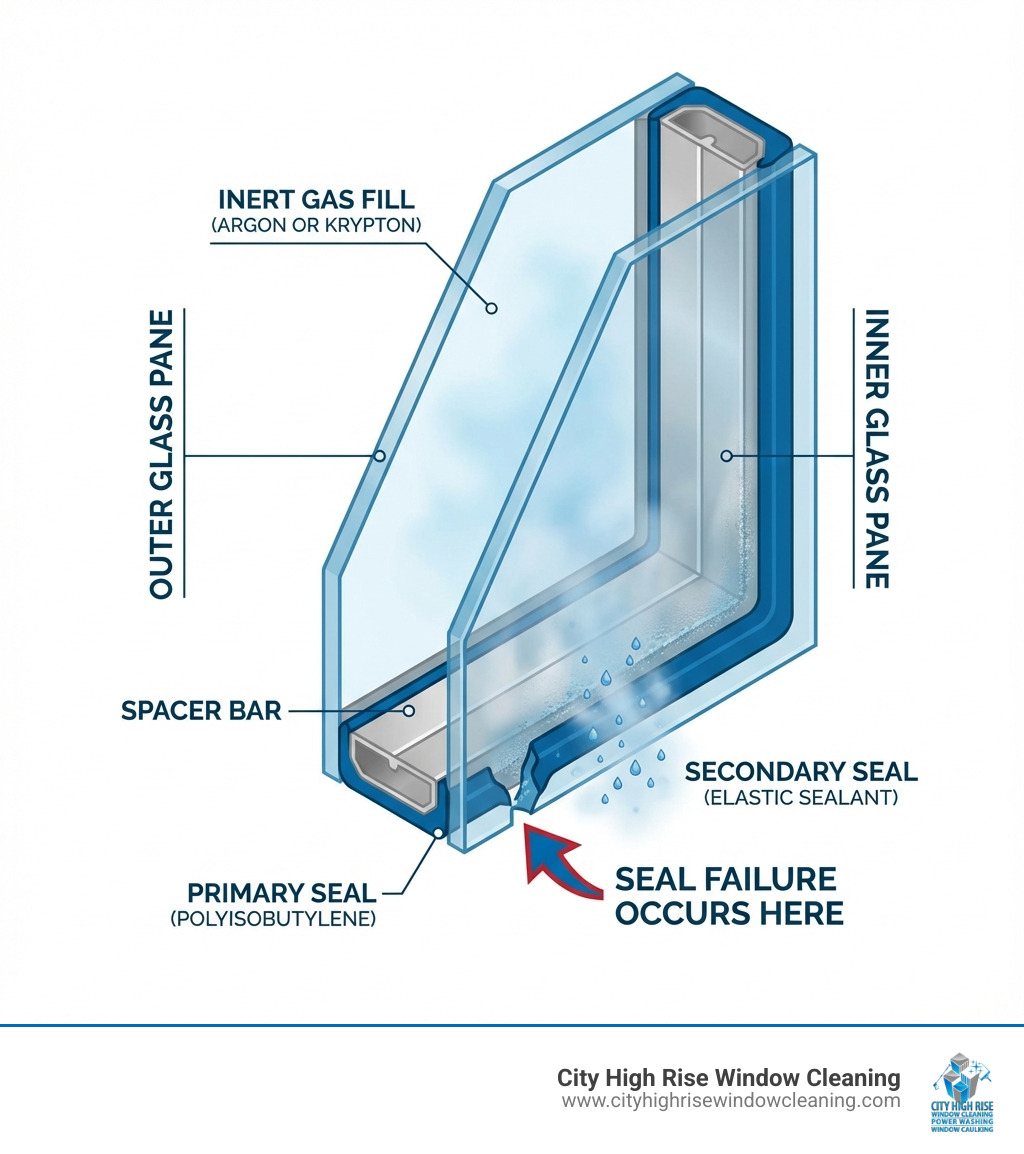
When I talk about window seal replacement, I’m primarily referring to the seals within an Insulated Glass Unit (IGU)—the thin, flexible barriers installed along the edges of double-pane or triple-pane windows. Their main job is to seal in the inert gas, like argon or krypton, trapped between the panes. This gas layer acts as insulation, improving energy efficiency and preventing moisture, dirt, and air from entering that crucial space. You can learn more about inert gas insulation and its importance.
The purpose of these seals is paramount for energy efficiency. They keep your home warm in the winter and cool in the summer, directly impacting your energy bills. Under ideal conditions, window seals can last up to 20 years, though the average lifespan I see is often closer to 10-15 years in our demanding New York climate. Factors affecting this lifespan include extreme temperature fluctuations, direct sun exposure (especially for south-facing windows on high-rises), and general window maintenance.
Common Causes of a Broken Window Seal
It’s a sad truth that even the best window seals will eventually fail. Here in New York City, Long Island, New Jersey, and Westchester, several factors accelerate this process:
- Solar Pumping: This is a big one. The constant expansion and contraction of the inert gas between the panes due to sun exposure and temperature changes puts immense stress on the seals. Think of it like a tiny balloon constantly inflating and deflating—eventually, it gives out.
- Age and Deterioration: Simply put, seals aren’t immortal. The sealant materials degrade over time due to UV exposure, weather cycles, and natural wear and tear. Most insulated glass units will experience gradual seal failure as time passes. If your windows are between 20-30 years old, it’s likely time for a window seal replacement.
- Poor Installation: A faulty window installation can place undue pressure on the glass panes, weakening the seals from day one. I often see this in newer constructions where corners were cut.
- Physical Damage: Accidents happen. Using a heat gun to strip paint around window frames can melt or damage the seal. Similarly, aggressive pressure washing can force water into the sash and compromise the seal’s integrity.
- House Settling: The natural settling of a building, a common occurrence in our older structures across NYC, can create pressure on window panes, leading to seal failure.
- NYC Building Shifts: Specifically in high-rise environments, the subtle but constant movement and vibrations of the building can contribute to stress on window seals, making them more prone to failure over time.
Window Seals vs. Caulking vs. Weatherstripping
This is where things can get confusing, but I’m here to clear it up. When we talk about a “window seal” in the context of a foggy window, we’re almost always referring to the IGU seal—the factory-sealed barrier that holds the glass panes together and contains the inert gas. This seal is internal to the window unit itself.
- Defining the IGU Seal: This is the primary seal that keeps the insulating gas in and moisture out of the space between the glass panes. When this fails, you get the tell-tale fog.
- Defining Exterior Caulking: This is the sealant applied around the exterior perimeter of your window frame, where it meets the wall. Its job is to prevent air and water from entering your home from the outside. While crucial for energy efficiency and preventing leaks, it’s not the “window seal” that fogs up. If you need help with window caulking services, my team can assist.
- Defining Weatherstripping: This is typically a flexible material (like foam, rubber, or vinyl) installed around the moving parts of your window, such as the sash, to create a tight seal when the window is closed. It prevents drafts and air infiltration but doesn’t affect the clarity between the glass panes.
These three components—IGU seals, exterior caulking, and weatherstripping—all contribute to your window’s overall performance, but they serve different functions. A failure in one doesn’t necessarily mean a failure in the others, though they can often be related.
5 Signs Your Window Seal is Broken
Spotting a broken window seal early can save you a lot of headaches and money. From my experience managing properties across New York and New Jersey, these are the five most common indicators I’ve come across:
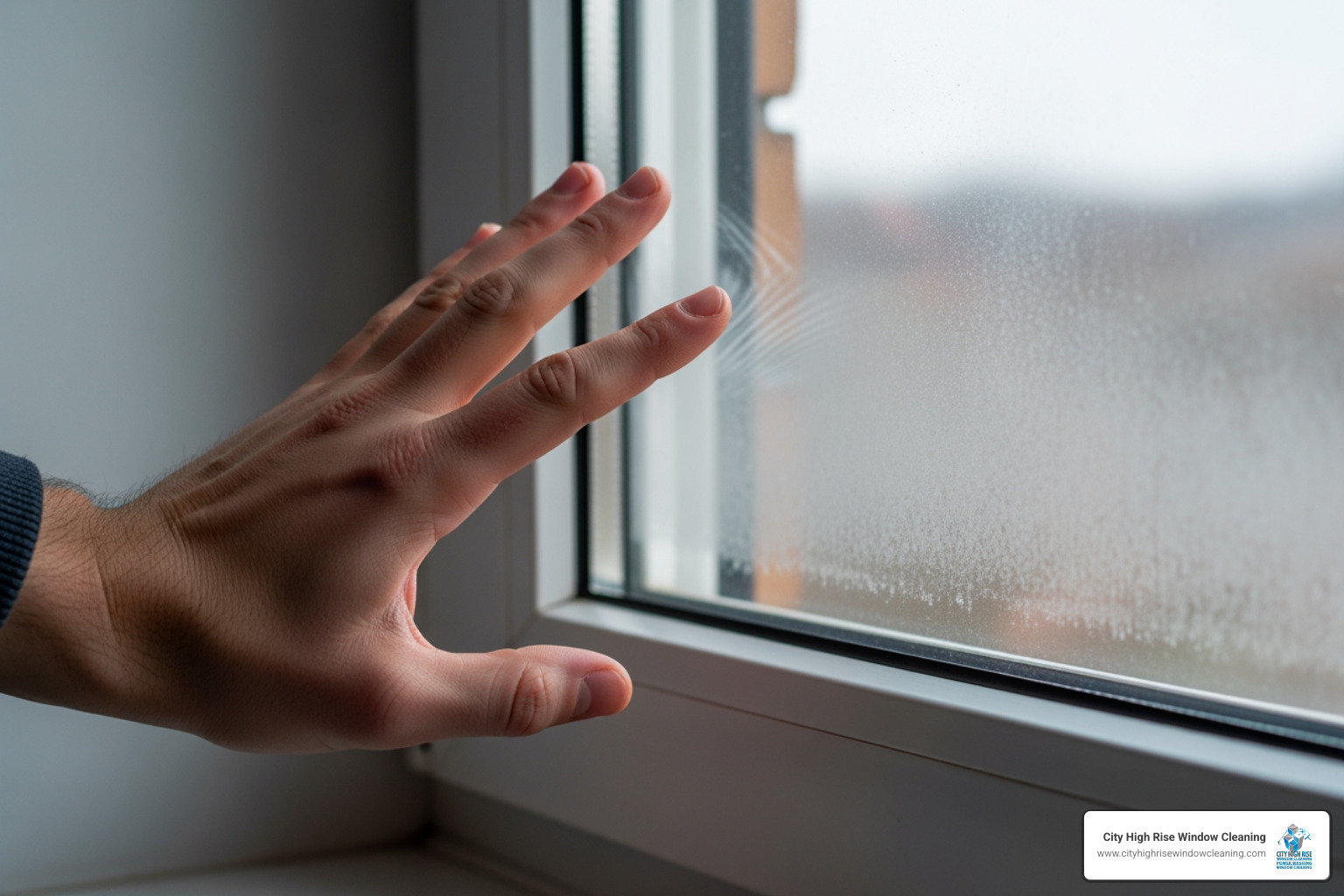
- Fog or Condensation Between Panes: This is the most obvious and definitive sign. If you see moisture, fog, or a cloudy film between the two panes of glass that you can’t wipe away from either side, your IGU seal has failed. This means the inert gas has escaped, and humid air has entered the space.
- Distorted Glass Reflections: Sometimes, before visible fog appears, you might notice that objects viewed through the window appear slightly warped or distorted. This can be caused by pressure imbalances between the panes due to a compromised seal.
- Drafts Near the Window: If you feel a noticeable cold draft near a closed window, even on a calm day, it’s a strong indicator of seal failure. This means the insulating gas is gone, and the window is no longer providing its intended thermal barrier. I often do the “wet hand test” to confirm this—just hold your hand near the window’s edge and feel for air movement.
- Higher Energy Bills: A failed window seal compromises your home’s insulation, forcing your heating and cooling systems to work harder. According to the U.S. Department of Energy, heat gain and loss through windows are responsible for 25%-30% of residential heating and cooling energy use. If your energy bills are inexplicably rising, a broken window seal could be a major culprit.
- Increased Outside Noise: Double-pane windows are designed to offer sound insulation. If you suddenly find yourself hearing more street noise from busy Manhattan or the usual suburban sounds in Westchester, it could mean the insulating gas has escaped, reducing the window’s sound-dampening properties.
Repair vs. Replacement: Making the Right Choice for Your Home
Deciding between repairing a window seal and opting for a full window seal replacement or even a full window replacement can be tricky. It’s a decision I help clients with constantly. Key factors I consider include:
- Window Age: Older windows (20+ years) are often better candidates for full replacement as they likely lack modern energy-efficient features.
- Frame Condition: If the frame is warped, rotted, or severely damaged, repairing just the seal is a band-aid solution.
- Budget: Repairing an IGU is almost always cheaper than replacing the entire window, but sometimes the long-term savings of a new window outweigh the upfront cost.
- Number of Failed Windows: If only one or two seals have failed on otherwise good windows, IGU replacement makes sense. If half your windows are fogged, a phased full replacement might be more cost-effective.
- Long-Term Value: What are your goals? Are you selling soon, or do you plan to stay for decades?
Here’s a quick overview to help you weigh your options:
| Solution | Average Cost (NYC/NJ) | Longevity | Best Use Case |
|---|---|---|---|
| Defogging Services | $60 – $100 | Temporary | Cosmetic fix for fog on otherwise healthy windows; does not restore insulation. |
| IGU Replacement | $100 – $600 + $150 – $500 labor | 10-20 years | Window frame is in good condition, and only the glass unit (seal) has failed; cost-effective alternative to full window replacement. |
| Full Window Replacement | $338 – $897+ (per window) | 20+ years | Window frame is damaged, window is old/inefficient, or multiple seals have failed; offers improved energy efficiency, security, and aesthetics. Includes $200-$400 labor per window. |
Can a Broken Window Seal Be Repaired?
Yes, in some cases, a broken window seal can be “repaired,” but it’s crucial to understand the limitations.
- Defogging Services: These services involve drilling small holes into the glass panes, cleaning out the moisture, and then sealing the holes. They run about $60 to $100 per window. While they can clear up the fog, making your window visually appealing again, they do not restore the original insulating value because the inert gas is not replaced. It’s a cosmetic, temporary fix.
- DIY Defogging Kits: I’ve seen these on the market, but honestly, reviews are mixed, and they’re often hard to use successfully without professional equipment. I generally advise against them, as a single mistake could damage your window further.
- Professional IGU Replacement: This is the most effective “repair” for a failed seal if your window frame is in good shape. It involves replacing just the insulated glass unit (IGU) within the existing frame. A window specialist may charge between $70 and $245 or more to fix a window seal, with the cost of a replacement IGU running anywhere from $100 to $600 or more, depending on the size and quality of the window. Labor charges can add an additional $150 to $500. This process restores the insulating gas and the window’s energy efficiency.
When to Choose Full Window Seal Replacement Over Repair
While IGU replacement is a great option for many, there are times when a full window seal replacement (meaning replacing the entire window unit) is the smarter long-term investment, especially in our NYC, Long Island, New Jersey, and Westchester service areas:
- Widespread Damage: If multiple window seals have failed, or the frames themselves are showing signs of significant wear, rot, or warping, replacing the entire window becomes more cost-effective in the long run.
- Warped or Rotted Frames: If the window frame is compromised, even a new IGU won’t perform optimally or last as long. A new frame is essential for proper function.
- Outdated Single-Pane Windows: If you still have single-pane windows, they lack modern energy-saving features entirely. A full window seal replacement with a new, energy-efficient unit will drastically improve your home’s comfort and reduce energy bills.
- Multiple Seal Failures: If you’re constantly dealing with failing seals across several windows, it’s a sign that the entire set of windows might be past its prime.
- Improving Home Energy Efficiency: New windows with advanced technologies like Low-E coatings and high-performance inert gas fills offer superior energy efficiency that even a new IGU in an old frame can’t match.
- Long-Term Solution for Homes in New York and New Jersey: For homeowners planning to stay put, a full window replacement provides a lasting solution, enhancing curb appeal, increasing home value, and offering peace of mind for decades.
The Cost of Window Seal Replacement and Repair
Understanding the costs associated with window seal replacement and repair is crucial for making an informed decision. Prices can vary significantly based on the type of repair, the size and type of window, and labor rates in specific areas like NYC and Westchester.

Several factors influence the final price tag:
- Window Size and Type: Larger windows or specialty windows (e.g., bay windows, custom shapes) will naturally cost more for both IGU replacement and full window replacement.
- Glass Type: Double-pane, triple-pane, Low-E coatings, and specific inert gas fills (argon vs. krypton) all affect the cost of the glass unit.
- Labor Costs: Professional labor rates in New York City, Long Island, New Jersey, and Westchester are typically higher than in other parts of the country due to the cost of living and demand.
Average Costs for Different Solutions
Here’s a breakdown of what you can expect to pay for different window seal replacement and repair options:
- Defogging Service: Expect to pay between $60 and $100 per window. This is a cosmetic fix and does not restore the insulating properties of the window.
- Insulated Glass Unit (IGU) Replacement: The cost for the IGU itself can range from $100 to $600 or more. Labor to install the new IGU can add an additional $150 to $500. So, for a professional IGU replacement, you’re looking at a total of $250 to $1,100+ per window.
- Full Window Replacement: Replacing the entire window unit (frame and glass) is a more significant investment. The window itself can cost anywhere from $175 to $650, or much more for high-end options. Labor costs to install a replacement window typically run $200 to $400 per window. This puts the average total cost per window in the range of $375 to $1,050+, with some homeowners spending an average of $554 per window.
While the upfront cost for a full replacement is higher, it often provides the best long-term value, especially if your existing windows are old and inefficient.
How to Prevent Future Window Seal Failure
As a high-rise window cleaning and restoration expert, I’m a big believer in prevention. Taking proactive steps can significantly extend the life of your window seals and save you from the hassle and expense of frequent window seal replacement.
- Proper Installation is Key: This cannot be stressed enough. Faulty installation is a leading cause of premature seal failure. Always ensure your windows are installed by certified professionals who understand the nuances of proper sealing and framing, especially important for commercial properties and high-rise buildings in our region.
- Regular Inspections: I recommend an annual inspection of all your windows. Look for signs of deterioration in the exterior caulk, feel for drafts, and check for any early signs of fogging between the panes. Catching issues early can prevent them from becoming major problems.
- Gentle Cleaning Methods: Avoid harsh chemicals or abrasive cleaners on your window frames and seals. Use mild cleaning agents and a soft cloth. Keeping seals dry after cleaning also prevents mold and mildew.
- Avoid Pressure Washers: While powerful, pressure washers can force water into delicate window seals and frames, leading to damage. When cleaning your building’s exterior, especially around windows, use a gentler approach or opt for professional high rise hot water power washing that understands how to protect your windows.
- Check Exterior Caulk Annually: The caulk around your window frames is your first line of defense against moisture intrusion. Inspect it yearly for cracks, shrinkage, or gaps. Recaulk every 5-10 years, or as soon as you notice any issues. This is a relatively simple DIY task that can prevent bigger problems.
- Proper Paint Removal: If you’re repainting window frames, avoid using heat guns near the glass panes, as the intense heat can damage the IGU seals. Instead, opt for careful scraping and sanding.
- Climate Considerations for Coastal Long Island: For properties on Long Island, especially those exposed to coastal conditions, the salt air and increased humidity can accelerate seal degradation. Consider windows with improved resistance to these elements and schedule more frequent inspections.
Frequently Asked Questions about Window Seal Replacement
Can you replace a window seal yourself?
Replacing exterior caulk or weatherstripping is a common DIY project. However, replacing the actual IGU seal within a double-pane window is a complex job best left to professionals to ensure the insulating gas is properly contained and the unit is sealed correctly. Attempting to replace an IGU seal yourself can lead to further damage, void warranties, and may not restore the window’s energy efficiency.
How long do window seals typically last?
Under ideal conditions, window seals can last from 10 to 20 years. However, factors like direct sun exposure (common in NYC high-rises), extreme temperature fluctuations, and improper installation can shorten this lifespan significantly. The International Association of Certified Home Inspectors estimates that the inert gas escapes at approximately 1 percent per year under ideal conditions, meaning gradual degradation is inevitable.
Is it worth replacing a window just for a broken seal?
If the window frame is in good condition and relatively new, simply replacing the Insulated Glass Unit (IGU) is a cost-effective solution. However, if the window is old, inefficient, difficult to operate, or has a damaged frame, a full window seal replacement (meaning replacing the entire window unit) is a better long-term investment in your home’s energy efficiency and value. New windows offer improved insulation, security, and noise reduction.
How quickly can window seals be replaced in New York, Long Island, Westchester, or New Jersey?
Most window seal replacement projects take about 1–2 hours per window once the glass is on-site. In the New York metro area, lead times to schedule a crew are typically a few days to a week, depending on building access and the number of windows. Emergency commercial jobs can often be prioritized.
How do I know if I should replace just the glass or the entire window?
If your frames are solid, not warped, and the window still operates smoothly, an IGU (glass) replacement is usually enough. If you see rotting wood, corroded metal, drafts around the frame, or multiple failed windows in the same room, a full window replacement will usually deliver better comfort and lower energy costs over time.
Your Next Steps for Clear, Efficient Windows
Recognizing the signs of a failing window seal replacement is the first step towards a more comfortable, energy-efficient home or building. Whether it’s persistent fog, noticeable drafts, or rising energy bills, these indicators shouldn’t be ignored. I’ve seen how neglecting these issues can lead to more significant problems down the line, costing property owners far more in the long run.
While some minor issues like exterior caulking can be a DIY fix, the complex nature of IGU seals often requires professional expertise. An expert assessment can help you determine whether a simple IGU replacement is sufficient or if a full window replacement is the most prudent investment for your property’s longevity and value. My team specializes in window restoration services and high rise hot water power washing and can guide you through the best options for your specific situation in New York, Long Island, New Jersey, or Westchester.
Ready for a free quote? City High Rise Window Cleaning offers 24/7 live consultation. Call 917-749-8342 to speak to a live representative.


