

Your Complete Guide to Timber Window Restoration
Timber Window Restoration: Complete 2026 Guide
Stop Overpaying for New Windows: Timber Window Restoration NYC Owners Use to Cut Costs, Speed Up Installs, and Keep Historic Charm
Timber window restoration is the process of repairing and maintaining original wooden windows to preserve their functionality, appearance, and value—without replacing them entirely. For property owners in New York, Long Island, Westchester, and New Jersey, restoring historic or aging timber windows protects architectural character, boosts property value, and often costs far less than full replacement.
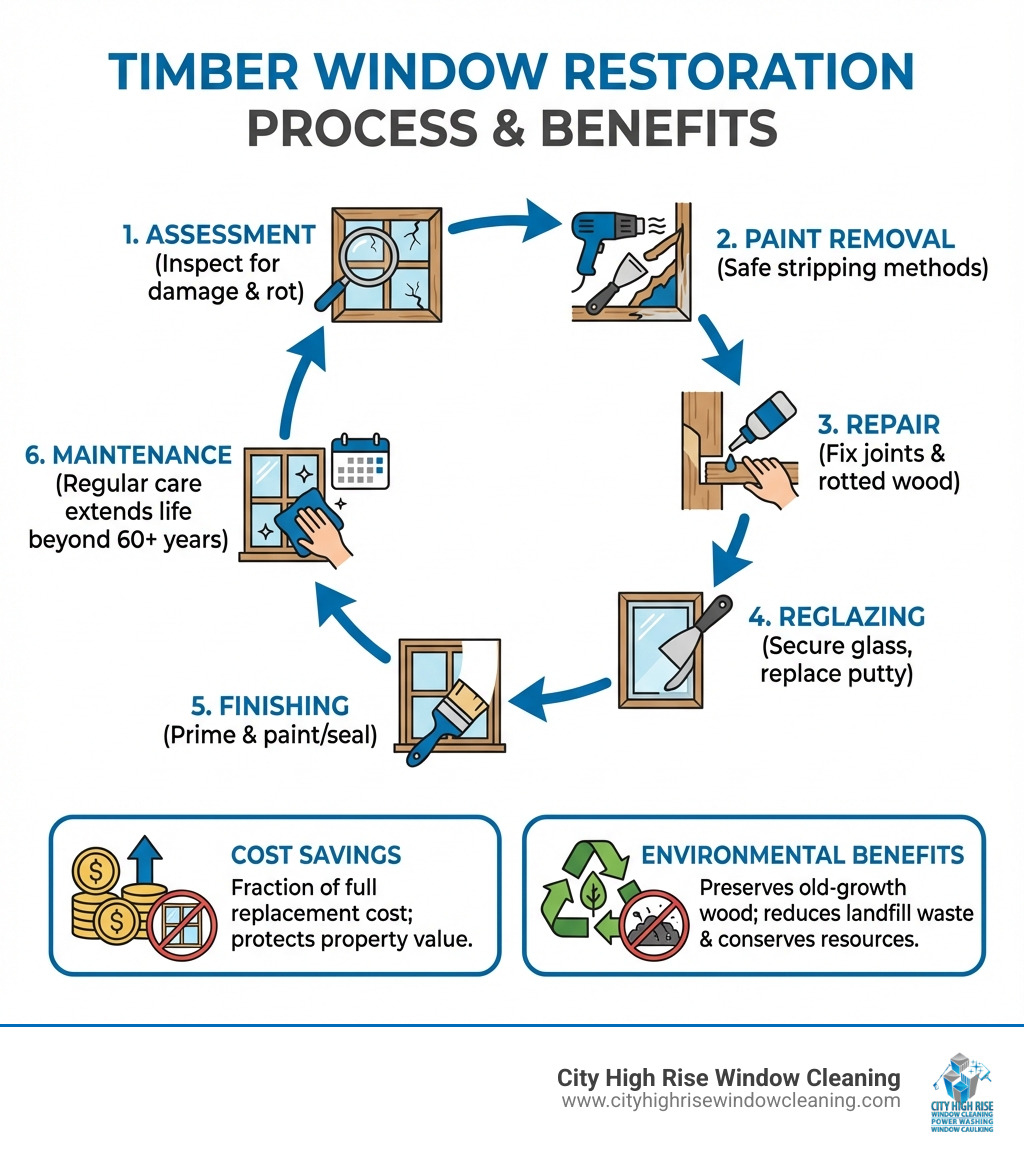
Quick Answer: What Does Timber Window Restoration Involve?
- Assessment – Inspect for rot, loose joints, cracked putty, and paint damage
- Paint Removal – Safely strip old paint using heat, chemicals, or sanding
- Repair – Fix rot with epoxy or splice in new timber; reglue loose joints
- Reglazing – Replace old putty and secure glass panes
- Finishing – Sand, prime, and paint with high-quality exterior wood paint
- Maintenance – Regular cleaning and inspections extend lifespan beyond 60 years
Historic timber windows are among the most vulnerable elements in older buildings, yet they’re also among the most repairable. Millions are dumped in landfills every year, replaced unnecessarily when simple repairs could extend their life for decades. The truth? Timber windows made before 1940 were built with old-growth wood—denser, stronger, and more rot-resistant than anything available today. With proper care, these windows can outlast modern replacements by generations.
Restoration isn’t just about saving money. It’s about preserving the character of period properties, reducing environmental waste, and maintaining the value of your investment. Studies show that a properly restored timber window with storm glazing can match or exceed the energy efficiency of new replacement windows—at a fraction of the cost.
For high-rise buildings and commercial properties in the New York metro area, the challenges are even greater. Working at height, managing lead paint safely, and ensuring structural integrity require specialized expertise. That’s where professional services become essential. If your project also needs full exterior care, explore our facade restoration and exterior high rise painting services to protect the entire building envelope.
I’m Brett Hochman, CEO of City High Rise Window Cleaning, with over 48 years of experience in exterior building maintenance across New York, New Jersey, and the Tri-State area. Our team specializes in timber window restoration for commercial and residential high-rise properties, combining safety-first practices with precision craftsmanship to protect your building’s value and character.
Timber window restoration vocab to learn:
- Commercial facade restoration
- Commercial window repair
- commercial glass restoration
Why Restore? The Real Benefits of Timber Window Restoration
Property owners in New York City, Long Island, Westchester, and New Jersey often ask, “Why restore old windows when I can just replace them?” The answer is simple: timber window restoration offers benefits that replacement can’t match, especially for period properties.
First, let’s talk about cost. While many assume replacement is cheaper, timber restoration is often more cost-effective than installing new windows, especially considering the long-term durability of original timber. Professional restoration is a smart investment that boosts your property’s value.
Restoring original timber windows can significantly increase the value of a period property. These windows are integral to a building’s character and history. Their design and craftsmanship reflect the original architectural intent, and replacing them with modern alternatives like uPVC can diminish this character and negatively impact property value.
Then there’s the lifespan. Modern wood windows might last over 60 years with care, but historic timber windows are often made from superior, old-growth wood. When properly maintained, these wooden windows will outlast any plastic equivalents by a long shot. I’ve seen restored windows in NYC that are well over 100 years old and still going strong. New wood replacements can’t equal this durability because old-growth lumber is now scarce.
Finally, consider the environmental benefits. In an age of sustainability, timber window restoration is a truly “green” choice. Wood is a renewable resource, and by restoring existing windows, we keep millions of units out of landfills. Timber also has natural insulation properties and stores carbon, contributing to a lower carbon footprint than plastic, steel, or aluminum.
For more in-depth information, I recommend The Repair of Historic Wooden Windows (NPS Preservation Brief). It’s a fantastic resource that underscores why restoration is usually the best path forward.
Is It Time for Restoration? Warning Signs to Watch For
How do you know if your timber windows need attention? Ignoring these common warning signs can lead to more extensive and costly damage down the line, so it’s best to act before an emergency repair is needed.
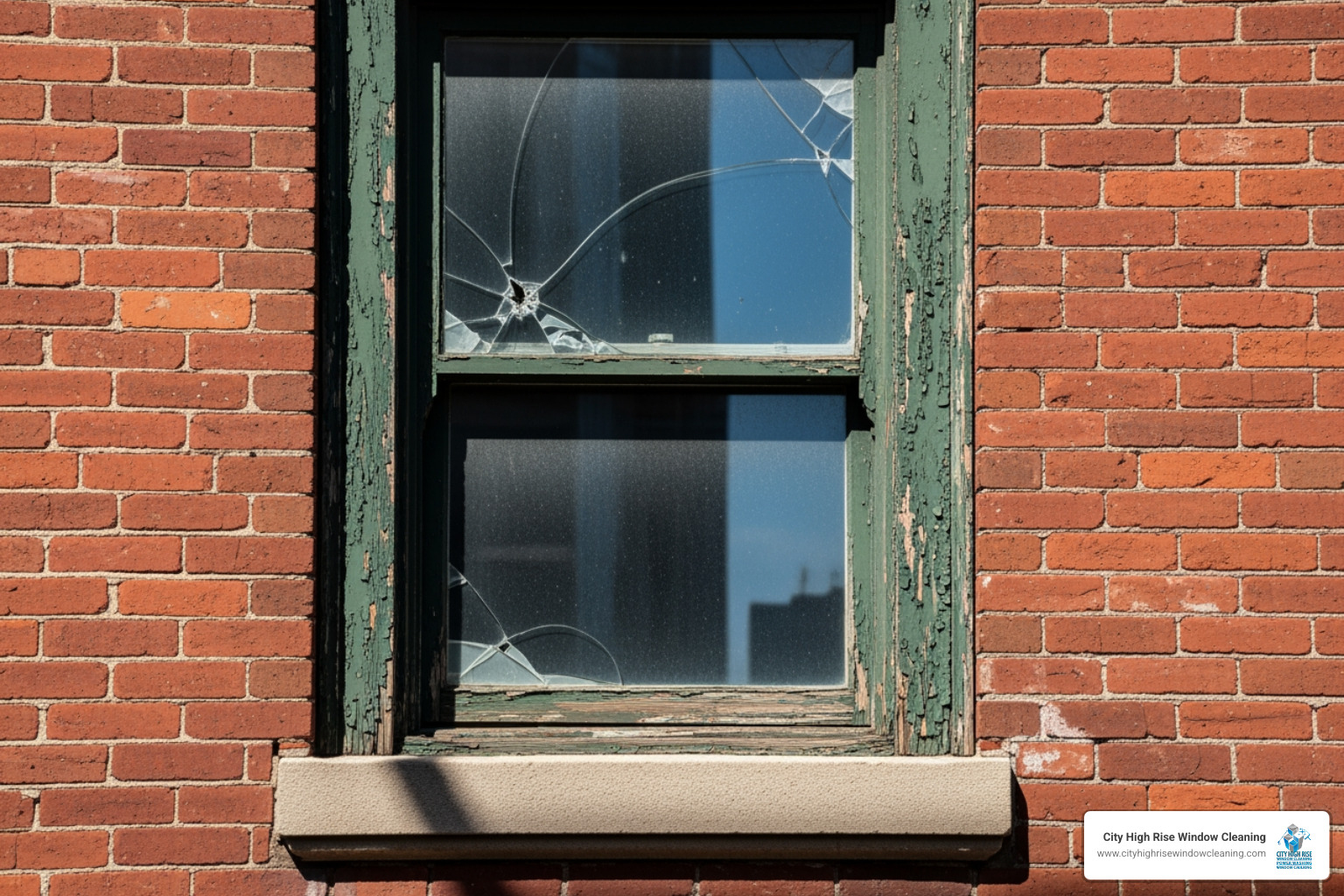
Common Signs of Damage
- Rotten Wood: Discoloration, softness, or crumbling sections on frames and sills are clear signs of rot. Test suspect areas by probing with a screwdriver; if it sinks in easily, you have a problem.
- Peeling or Cracking Paint: Paint is your window’s first line of defense. When it fails, moisture can penetrate the wood and cause decay.
- Cracked or Missing Putty: The putty (or glazing compound) around glass panes seals out moisture. If it’s crumbling or missing, water can seep in, causing rot and drafts.
- Binding or Sticking Sashes: Windows that are difficult to open or close may be binding due to paint buildup, moisture absorption, or loose joints.
- Drafts and Rattles: Air movement or rattling when windows are closed indicates poor sealing, loose sashes, or gaps in the frame, leading to heat loss.
- Condensation: Excessive moisture between double-glazed panes or on the interior of single-glazed windows can indicate seal failure or significant air leaks.
- Loose Joints: Joints in the frame and sash can loosen over time, affecting stability and weatherproofing.
- Damaged Hardware: Rusty hinges, broken sash cords, or failing latches all require attention.
When to Repair vs. When to Replace Entirely
Deciding whether to repair or replace is a crucial step. For historic properties in the greater New York area, my philosophy is to always repair if possible.
Repairable issues typically include:
- Localized rot: Small areas of rot can be cut out and repaired with new timber splices or epoxy fillers.
- Paint failure and cracked putty: These are routine maintenance items addressed with stripping, reglazing, and weatherstripping.
- Loose joints or minor hardware issues: These can often be re-glued or have parts replaced without affecting the entire window.
However, replacement becomes necessary when:
- Extensive rot: If rot has compromised the structural integrity of the entire frame and sash, repair may be impractical.
- Structural failure: Severe distortion of the frame that indicates underlying building issues may require replacement.
A professional assessment can help you make an informed decision. We at City High Rise Window Cleaning provide expert evaluations to determine the best course of action. For more information, visit our window restoration services page.
Gearing Up: What You Need for Timber Window Restoration
Starting a timber window restoration project requires the right tools and materials. Having everything ready will make the process smoother and safer, especially when dealing with old paint that may contain lead.

Here’s a comprehensive list of what you’ll need:
Safety Gear:
- Respirator: Essential for paint removal, especially if lead paint is suspected.
- Safety Glasses/Goggles: Protect your eyes from dust and debris.
- Gloves: Protect your hands from chemicals, paint, and splinters.
- Tarps/Drop cloths: To protect surrounding areas.
Paint Removal Tools:
- Heat Gun: Excellent for softening old paint. Be careful not to crack the glass with extreme heat. You can find a good one here: Heat Gun
- Chemical Paint Stripper: Ideal for intricate areas and safer for lead paint removal. My recommendation: Chemical Paint Stripper
- Paint Scrapers (various sizes): For removing softened paint.
- Paint Shaver: Great for quickly removing multiple paint layers from flat surfaces. Check out this one: Paint Shaver
- Glass Scraper: Crucial for carefully removing paint from glass panes. A good option: Glass Scraper
Wood Repair Materials:
- Wood Chisel: For carefully removing decayed wood. A reliable choice: Wood Chisel
- Wood Hardener: To stabilize partially decayed wood before filling.
- Two-part Epoxy Wood Filler: For filling gaps and rebuilding sections. My go-to is: Wood Filler
- Exterior Grade Wood Glue: For repairing loose joints. I recommend: Wood Glue
- Well-seasoned matching timber: For splicing in new wood where rot is extensive.
Glazing Tools and Materials:
- Glazier Putty (Linseed oil putty): For sealing glass panes into the sash. This is a classic choice: Glazier Putty
- Putty Knife: Essential for applying and shaping putty. This Putty Knife is a great choice.
- Glazier’s Tacks/Points: To hold the glass in place before the putty dries.
Sanding Tools and Materials:
- Electric Sander (Orbital or Palm): Speeds up sanding significantly. An Electric Sander is a great investment. For detail work, an Orbital Sander is invaluable.
- Sandpaper (various grits): Ranging from coarse (40-60 grit) to fine (220-240 grit). Stock up on: Sandpaper
Cleaning and Finishing Materials:
- White Spirit: For cleaning surfaces and brushes. Get it here: White Spirit
- Paintbrushes: High-quality brushes are a must for a smooth finish. I always recommend: Paintbrushes
- Exterior Timber Paint (primer, undercoat, topcoat): Use a microporous paint designed for windows. This is crucial for longevity: Paint
- Caulking Gun and Exterior Caulk: For sealing gaps between the window frame and the wall.
The Step-by-Step Process for Timber Window Restoration
Now that you’re geared up, let’s dive into the work. Restoring timber windows requires patience and attention to detail. Here is a walkthrough of each critical step.
Step 1: Cleaning and Preparation
Thorough preparation is crucial for identifying all repairs and ensuring new materials adhere properly.
- Remove Hardware: Carefully remove latches, hinges, or sash lifts to make cleaning and painting easier.
- Clean Surfaces: Use warm, soapy water and a squeegee for exterior glass, followed by glass cleaner. For timber frames, use a soft brush and mild detergent. For stubborn mold, use a mold-killing solution suitable for wood.
- Final Wipe-Down: Once dry, wipe all surfaces with White Spirit to remove any greasy residue.
Step 2: Removing Old Paint Safely
Removing old, flaking paint is a critical part of timber window restoration. Always assume paint in pre-1978 buildings contains lead and take precautions.
- Heat Gun Method: A Heat Gun is great for softening paint on flat surfaces. Use a shield to protect glass from cracking due to sudden temperature changes.
- Chemical Stripper Method: Chemical strippers are ideal for intricate areas and are safer for lead paint, as they bind particles and minimize dust.
- Sanding Method: After stripping, use sanding to smooth the surface. A Paint Shaver can be efficient for large areas. Always use wet sanding and wear a respirator if dealing with potential lead paint.
Step 3: Key Repairs in Timber Window Restoration (Rot & Joints)
This is where you address the window’s structural integrity.
- Remove Rot: Probe for soft spots with a screwdriver. Use a Wood Chisel to carefully remove all decaying wood until you reach sound material.
- Apply Wood Hardener: Apply a wood hardener to any remaining porous wood to strengthen the fibers and create a stable base for fillers.
- Fill or Splice: For small repairs, use a two-part epoxy Wood Filler. For extensive rot, especially on sills, it’s best to cut out the damaged section and splice in a new piece of matching timber (a “Dutchman repair”).
- Repair Loose Joints: To fix loose joints, remove old wedges, apply exterior-grade wood glue, and re-wedge or clamp the joint tightly until dry.
Step 4: Sanding and Reglazing for a Perfect Surface
With repairs complete, the next steps create a smooth, weatherproof surface.
- Sanding: Sand the entire frame back to bare wood if you plan to re-stain. Use an Electric Sander or Orbital Sander with progressively finer sandpaper grits (from 40 to 240) for a perfectly smooth finish. Wipe away all dust before proceeding.
- Reglazing: Carefully remove old, cracked putty with a Putty Knife and glass scraper. Knead fresh Glazier Putty until pliable, then press it into the gap between the glass and frame. Secure the glass with glazier’s tacks and use the putty knife at a 45-degree angle to create a neat, beveled edge.
Important Note: Putty must cure completely before painting, which can take 30 days or more. Painting too soon will cause it to fail.
Step 5: Professional Finishing for Your Timber Window Restoration
The final step offers both beauty and long-lasting protection.
- Choose the Right Paint: Always use a high-quality, microporous Paint designed for exterior wood. It allows the wood to breathe, preventing moisture buildup.
- Prime and Paint: Prime all bare wood first. Apply paint in at least three thin, even coats (one primer, two topcoats) using high-quality paintbrushes. Lightly sand between coats for a smooth, professional finish.
- Seal Against Weather: Once the paint is fully cured, caulk all edges between the frame and wall to prevent moisture ingress.
Extending Lifespan: Pro Tips and Maintenance
Restoring your timber windows is a significant investment. Proper ongoing maintenance is key to enjoying their beauty and functionality for decades to come in New York, Long Island, Westchester, and New Jersey.
Proper Maintenance to Extend Window Lifespan
- Regular Cleaning: Clean glass and frames seasonally (spring and fall) with mild soap and water to remove dirt and pollutants. Ensure sills are wiped dry to prevent water pooling.
- Annual Inspections: Once a year, check for peeling paint, cracking putty, or loose joints. Early detection makes repairs simpler and less costly.
- Prompt Touch-Ups: If you notice small chips or cracks in the paint, touch them up immediately to maintain the protective barrier against moisture.
- Check Seals: Inspect caulk and putty regularly and re-apply as needed to maintain a watertight seal and prevent drafts.
For comprehensive exterior care, consider our facade restoration services, which complement timber window maintenance perfectly.
Upgrading to Double-Glazing: What to Consider
For property owners concerned with energy efficiency, retrofitting double-glazing is an option. This involves installing slimline, narrow-cavity double-glazed units into the original sashes. The goal is to improve thermal performance while maintaining the historic appearance of your wooden windows. Due to the precision required to avoid damaging the original frame, this is a job best left to professionals.
Timber, Lumber, or Wood? Understanding the Terms
In the context of window construction, wood is the raw material from a tree. In the US, lumber refers to roughly sawn logs. Timber typically refers to wood that has been processed into beams and planks for construction. When we say “timber windows,” we mean windows made from this finished, structural wood.
Frequently Asked Questions about Timber Window Restoration
How long do restored timber windows last?
With proper care, high-quality timber windows can last over 60 years—often outliving uPVC alternatives. The old-growth wood in historic windows, common in our region, is especially durable and can last for centuries after restoration.
Is it cheaper to restore or replace timber windows?
Restoration is usually more cost-effective than full replacement, especially for period properties. It also preserves and can increase your property’s value, making it a wise long-term investment.
What is the best paint for timber windows?
Use a high-quality, microporous exterior paint specifically designed for wood. It protects timber from moisture while allowing it to breathe, which prevents the cracking and peeling common with non-breathable paints.
Can City High Rise Window Cleaning restore my windows in New York, Long Island, Westchester, or New Jersey?
Yes. We specialize in professional timber window restoration for residential and commercial properties throughout NYC, Long Island, Westchester, and New Jersey. With decades of experience, we’re equipped to handle even the most challenging projects, including towers that also need commercial high rise window cleaning or residential high rise window cleaning.
What other services do you offer for building exteriors?
We provide a full range of exterior maintenance services, including:
- Commercial high rise window cleaning
- Residential high rise window cleaning
- Facade restoration
- High rise hot water power washing
- Post construction cleaning
- Alucobond Restoration
- Exterior high rise painting services
- Awning cleaning
- High rise window caulking
Do restored timber windows improve energy efficiency?
Yes. When combined with good weatherstripping and, where appropriate, storm windows, restored timber windows in NYC, Long Island, Westchester, and New Jersey can perform on par with many modern replacements in terms of drafts and heat loss.
How long does timber window restoration take?
Timing depends on window condition, building access, and weather. For many New York metro projects, crews can restore a typical window in a day or two on-site, plus additional curing time for putty and paint. Large high-rise or multi-building jobs are scheduled in phases to minimize disruption.
Preserve Your Property’s Character and Value
Restoring your timber windows is a smart investment that improves your property’s beauty, value, and energy efficiency. While some steps are manageable for a dedicated DIYer, complex rot, lead paint, or working at height—especially in New York City, Long Island, Westchester, and New Jersey—requires professional expertise. For large-scale projects or high-rise buildings, the skill and safety equipment of a professional service like City High Rise Window Cleaning is essential. Trusting experts ensures a flawless, lasting finish that protects your investment for decades.
If your building is undergoing a larger update, you can bundle timber window restoration with services like window restoration, high rise hot water power washing, or post construction cleaning to reduce downtime and get faster results across the entire facade.
Related Reading: Commercial Window Repair: When to Fix vs. Replace in NYC
Ready for a free quote? City High Rise Window Cleaning offers 24/7 live consultation. Call 917-749-8342 to speak to a live representative.


