

Vinegar to the Rescue: Easy Ways to Banish Hard Water Stains
Hard water stain removal: 5 Easy Ways to Banish
Hard Water Stain Removal NYC–Long Island–NJ: Spotless Glass in 48 Hours, Fair Pricing—Avoid Permanent Etching
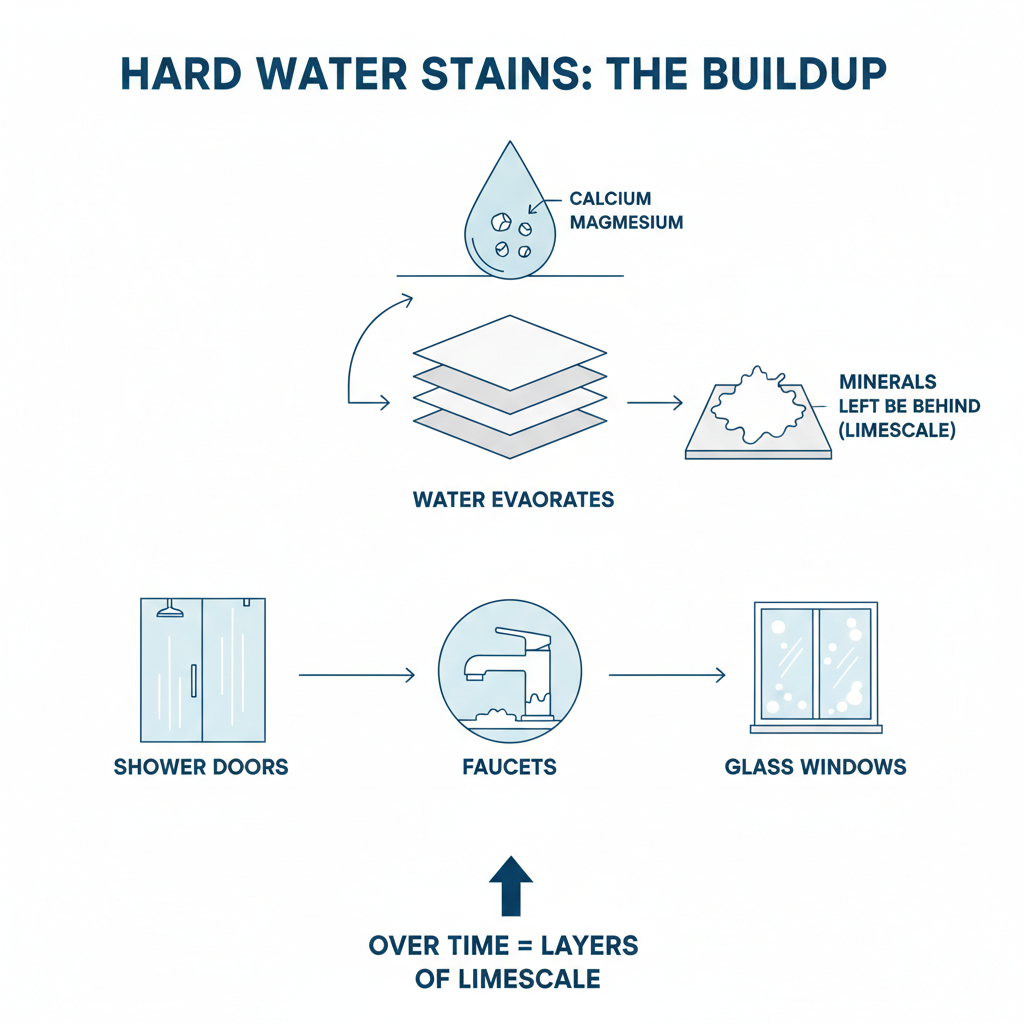
Hard water stain removal is a common challenge for property owners. Those chalky white deposits on shower doors, faucets, and windows are mineral buildup left behind when water evaporates. Hard water contains high levels of calcium and magnesium, which create these stubborn stains, a frequent problem in New York, Long Island, and New Jersey.
Quick Answer: How to Remove Hard Water Stains
- Spray undiluted white vinegar on the stained surface.
- Let it sit for 10-15 minutes to dissolve the minerals.
- Scrub gently with a non-abrasive sponge or brush.
- Rinse thoroughly with clean water.
- Dry completely with a microfiber cloth to prevent new spots.
- For tough stains, apply a paste of baking soda and water, then spray with vinegar.
As the CEO of City High Rise Window Cleaning, I’ve spent over four decades tackling hard water stain removal across the NYC metro area. The same professional solutions we use on high-rise buildings can work for you at home. This guide will walk you through proven DIY methods for every surface.
What Are Hard Water Stains and Why Do They Form?
Hard water contains high concentrations of dissolved minerals, mainly calcium and magnesium, which it picks up while traveling through the ground. According to the U.S. Geological Survey, this water is safe to drink but makes cleaning difficult, a constant issue for residents in New York, Long Island, and New Jersey.
The science behind hard water stain removal is simple: when hard water evaporates from a surface, the minerals are left behind. Over time, these deposits of calcium carbonate (limescale) build up, creating chalky white or yellowish stains that make surfaces look dingy.
Common signs of hard water buildup include:
- Cloudy glassware even after washing.
- A dull, chalky film on chrome faucets.
- Reduced water pressure from clogged showerheads.
- Soap that doesn’t lather well, creating soap scum.
It’s important to distinguish between hard water stains and soap scum. Hard water stains are pure mineral deposits. Soap scum is a tougher-to-clean film created when hard water minerals react with soap. Understanding this helps you tackle both problems effectively, whether on a single faucet or an entire building facade.
Your DIY Toolkit: Common Household Items for Hard Water Stain Removal
Effective hard water stain removal doesn’t require expensive specialty cleaners. The most powerful solutions are simple household items.

- White Vinegar: Its acetic acid is perfect for dissolving alkaline mineral deposits like calcium and magnesium. Use it undiluted in a spray bottle for tough jobs.
- Baking Soda: A gentle abrasive that won’t scratch delicate surfaces. Mix it with water to form a paste for extra scrubbing power. When combined with vinegar, the fizzing reaction helps lift stubborn grime.
- Lemon Juice: The citric acid works like vinegar to dissolve mineral buildup and leaves a fresh scent.
- Hydrogen Peroxide: A surprisingly effective mild acid for tackling both mineral deposits and soap scum, especially on shower surfaces.
Safety First:
Even with household items, take precautions.
- Wear protective gloves, as vinegar can irritate skin over time.
- Ensure good ventilation, especially in small bathrooms, to avoid inhaling strong fumes.
- Never mix vinegar or hydrogen peroxide with bleach. This combination creates dangerous toxic fumes.
- Always test your cleaning solution on a small, hidden spot first. This is crucial for natural stone like marble or granite, as acid can cause permanent etching.
With these simple tools, you’re ready to tackle hard water stains. For large-scale jobs like residential high rise window cleaning, the same principles apply, but professional help is recommended for safety and efficiency.
Surface-by-Surface Guide to Removing Hard Water Stains
Hard water stain removal requires a different approach for each surface. Here are my tried-and-true methods for every problem area in your home.
Glass & Windows: A Step-by-Step Guide for Hard Water Stain Removal
Hard water stains are most obvious on glass. If ignored, they can permanently etch the surface, a problem we often see on high-rise buildings. At that point, cleaning won’t fix the damage.
For most stains:
- Spray undiluted white vinegar on the glass, saturating the stains.
- Let it sit for 15-30 minutes (up to an hour for heavy buildup).
- Scrub with a non-abrasive sponge in circular motions.
- Rinse with clean water and immediately use a squeegee for a streak-free finish.
For stubborn spots:
- Create a paste of baking soda and water and apply it to the stains.
- Spray vinegar over the paste to create a fizzing reaction.
- Let it bubble for 5-10 minutes, scrub again, rinse, and dry completely with a microfiber cloth.
If stains persist, the glass may be etched, requiring professional Window Restoration. For large or high-rise windows in the NYC area, professional Residential High Rise Window Cleaning is the safest and most effective option.
Toilets, Sinks & Tubs: Your Method for Hard Water Stain Removal
Bathrooms are ground zero for hard water stains.
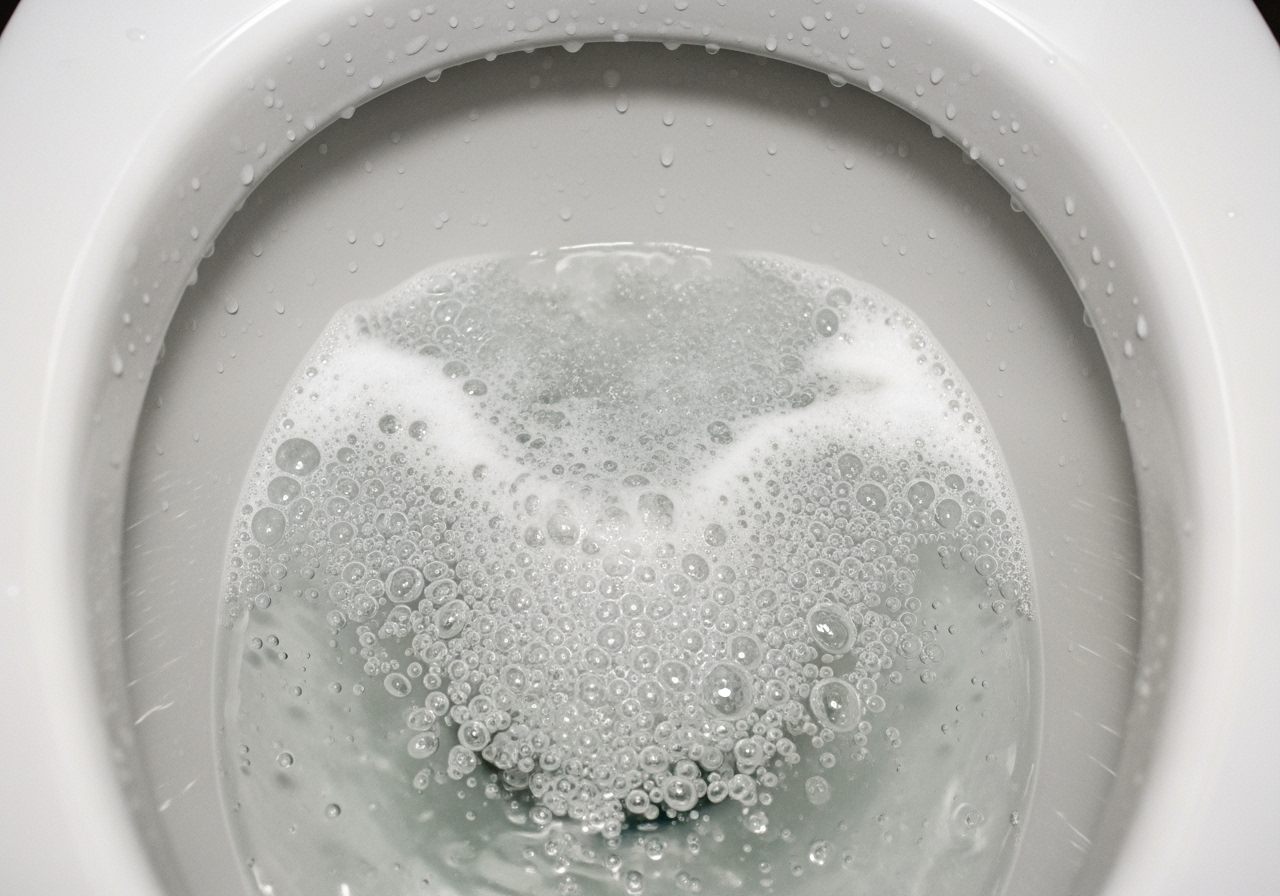
- Toilets: Pour 1 cup of vinegar into the bowl, let it sit for 10+ minutes. Add 1/2 cup of baking soda and another cup of vinegar. Let it fizz for 15 minutes, then scrub with a toilet brush and flush. For tough rings on porcelain, a wet pumice stone can be used gently (always keep both surfaces wet).
- Sinks: Apply a paste of baking soda and water to stains. Spray with a 50:50 vinegar-water solution, let it fizz for 15 minutes, then scrub with a soft brush, rinse, and dry.
- Tubs: For acrylic or fiberglass, use a baking soda paste and let it sit for 30 minutes before scrubbing gently. For tougher porcelain or enamel tubs, spray undiluted vinegar, let it sit for up to an hour, then scrub with a stiff brush.
Faucets and Showerheads
Restore shine and flow to crusty fixtures with this trick: soak a cloth in undiluted vinegar and wrap it around the faucet. For showerheads, fill a plastic bag with vinegar and secure it around the head with a rubber band, ensuring the stained parts are submerged. Let it soak for at least an hour (or overnight for severe buildup). Remove the bag or cloth, scrub away softened minerals with an old toothbrush, rinse, and wipe dry.
Appliances: Dishwashers & Coffee Makers
Mineral buildup can damage appliances. Regular descaling is key to hard water stain removal and protecting your investment.
- Dishwashers: Place a dishwasher-safe bowl with 1 cup of white vinegar on the top rack and run the hottest cycle. Afterward, remove and soak the filter and spray arms in vinegar for 30 minutes, scrubbing if needed.
- Coffee Makers: Fill the reservoir with a 50:50 mix of vinegar and water. Start a brew cycle, but turn it off halfway through. Let the solution sit for an hour to dissolve internal buildup, then complete the cycle. Run two full cycles with fresh water to rinse.
For more cleaning tips, check out our blog articles on property maintenance.
Beyond DIY: When Professional Intervention is Best
While DIY methods are great for daily maintenance, some hard water stain removal jobs require a professional. After four decades in exterior building maintenance across New York, Long Island, and New Jersey, I know when to call for backup.
Consider professional help for:
- Severe, Long-Standing Buildup: Stains that have accumulated for years may not respond to household cleaners and risk damaging the surface with aggressive scrubbing.
- Etched Surfaces: If minerals have permanently etched glass, DIY cleaning won’t fix it. This requires advanced techniques like professional Window Restoration.
- Large-Scale Projects: Cleaning an entire building facade or hundreds of windows is a job for an efficient, expert team.
- Exterior Building Stains: Runoff can cause streaks that damage building materials over time. Our High Rise Hot Water Power Washing service is designed to clean these safely.
- High-Rise Buildings: Working at heights in the New York metro area poses significant safety risks that only trained professionals should handle.
- Post-Construction Mineral Stains: New windows and facades often have stubborn mineral stains from construction runoff that require specialized Post Construction Cleaning.

Professional services save time, prevent property damage, and ensure the job is done safely and effectively.
Prevention is Key: How to Stop Hard Water Stains Before They Start
Preventing hard water stains is far easier than removing them. Most preventative measures are simple habits that take only a few minutes a day.
- Wipe Surfaces Dry: The most effective habit is to wipe down faucets, sinks, and counters with a microfiber cloth immediately after use. If water doesn’t evaporate on the surface, it can’t leave minerals behind.
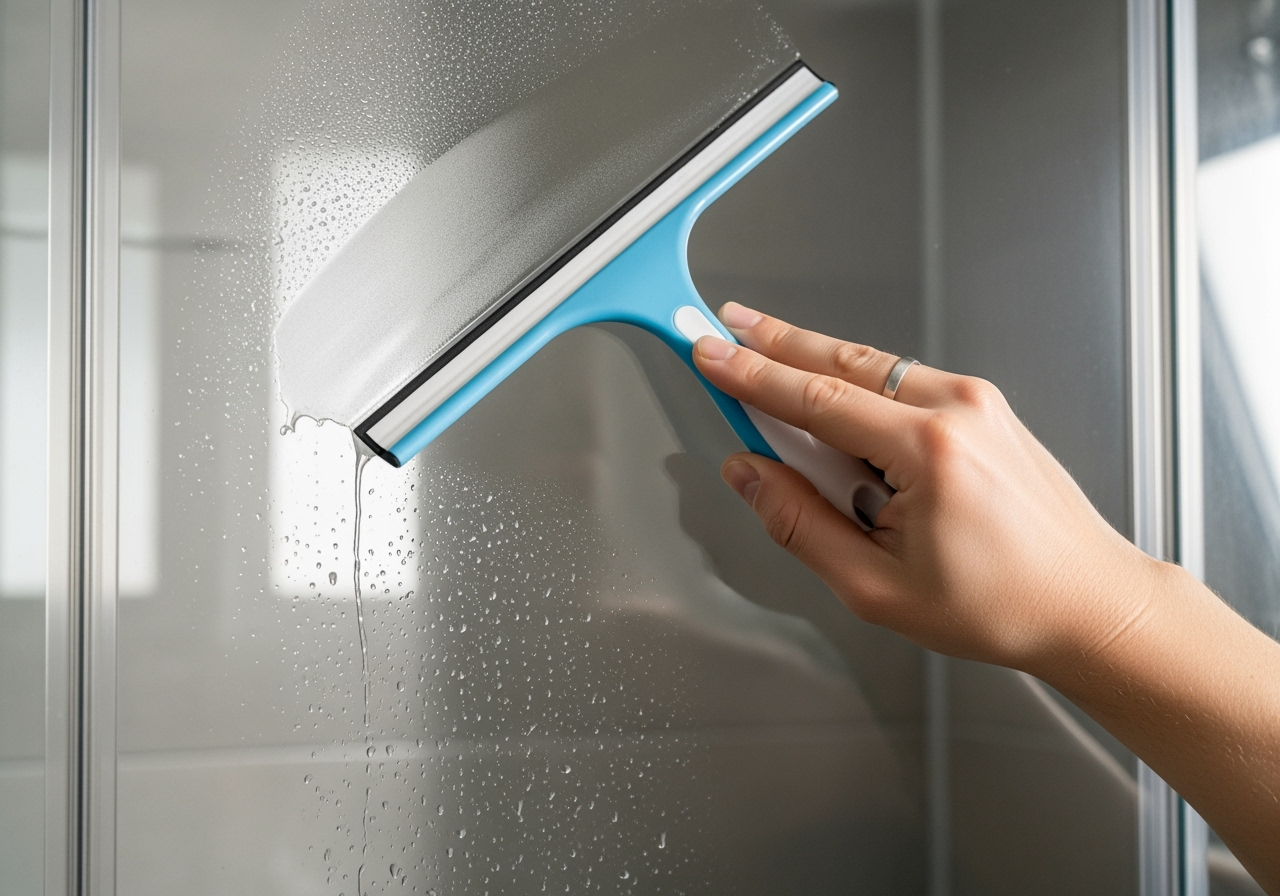
- Use a Squeegee: Squeegee glass shower doors from top to bottom after each use. This two-minute task dramatically reduces buildup and the need for deep cleaning.
- Follow a Regular Cleaning Schedule: A weekly spray-down with a diluted 50:50 vinegar-water solution prevents minerals from getting a foothold on fixtures and glass.
- Install a Water Softener: For homes with very hard water, like in many parts of Long Island and New Jersey, a water softener is a great long-term investment. It removes minerals from your water supply, protecting plumbing and appliances while making cleaning easier.
- Use a Showerhead Filter: If a whole-house system isn’t an option, a filter on your showerhead can reduce mineral buildup on tiles and glass doors.
- Use a Rinse Aid: In your dishwasher, a quality rinse aid helps water sheet off glassware, preventing the cloudy spots that hard water leaves behind.
Small, consistent actions are the key to avoiding intensive hard water stain removal.
Frequently Asked Questions about Hard Water Stain Removal
Can vinegar damage my faucets or tiles?
Yes—on natural stone (marble, granite, travertine) vinegar can etch or dull. Test first, limit dwell time, and rinse well. Generally safe on ceramic, porcelain, and chrome.
Are hard water stains permanent?
Deposits can be removed; etching cannot. If glass is etched, you’ll need professional Window Restoration.
What’s the difference between hard water stains and soap scum?
Hard water stains are mineral salts (calcium/magnesium). Soap scum is minerals + soap residue. Mild acids (vinegar/citric) work on both.
What removes hard water stains the fastest?
Undiluted white vinegar with a 10–30 minute dwell, then a non‑abrasive scrub. For heavy buildup, use a baking soda paste first, then spray vinegar. Avoid acids on natural stone.
How do I prevent hard water stains on shower glass?
- Squeegee after every shower.
- Wipe fixtures dry.
- Weekly 50:50 vinegar‑water spray.
- Consider a water softener or shower filter.
- Use a rinse aid in the dishwasher for glassware.
Your Home, Spotless and Shining
You’ve made it! We’ve journeyed together through hard water stain removal, from understanding how those pesky mineral deposits form to finding the remarkable cleaning power hiding right in your kitchen pantry. White vinegar and baking soda aren’t just for cooking—they’re your frontline warriors against calcium and limescale buildup.
The real secret to winning the hard water battle? It’s not just about removing stains—it’s about stopping them before they start. A quick squeegee after your morning shower, wiping down your faucets before bed, and maybe investing in a water softener can transform your cleaning routine from a constant struggle into simple maintenance. Prevention truly is the ultimate solution.
But here’s what I’ve learned after four decades in this business: sometimes you need to know when to call for backup. If you’re facing severely etched glass that no amount of vinegar will fix, or if you’re staring up at mineral-streaked windows on the twentieth floor of your building, that’s when professional expertise becomes essential. For tough, large-scale, or high-access exterior stains across New York City, Long Island, Westchester, and New Jersey, professional help ensures a perfect, damage-free finish without the risk.
My team at City High Rise Window Cleaning has tackled everything from post-construction mineral deposits to decades-old facade staining on Manhattan’s tallest buildings. We understand hard water challenges at every scale, and we’re here to help whether you need comprehensive High Rise Hot Water Power Washing for your building’s exterior or expert Window Restoration to reverse years of mineral damage.
Ready for a free quote? City High Rise Window Cleaning offers 24/7 live consultation. Call 917-749-8342 to speak to a live representative.


