

From Dusty Disaster to Spotless Sanctuary: Your Post Construction Final Clean Checklist
From Dusty Disaster to Spotless Sanctuary: Your Post Construction Final Clean Checklist
After Builders Cleaning: What It Is and Why It Matters More Than You Think
After builders cleaning is a specialist post-construction cleaning service that removes fine dust, paint splashes, adhesive residue, grout haze, and construction debris left behind after renovation or building work — going far beyond what any standard household clean can achieve.
Here’s what you need to know at a glance:
| Question | Quick Answer |
|---|---|
| What is it? | A deep, specialist clean after construction or renovation work |
| When to do it? | 24–48 hours after all building work is fully complete |
| Who does it? | Specialist cleaning crews with industrial equipment |
| Can I DIY it? | Not recommended — standard vacuums clog and wrong tools scratch new surfaces |
| How long does it take? | 4–12 hours depending on property size and scope of work |
| Cost in NYC metro? | Typically $200–$800+ depending on size, soil level, and access |
You finally made it through the renovation. The builders have packed up and left. And then you walk in.
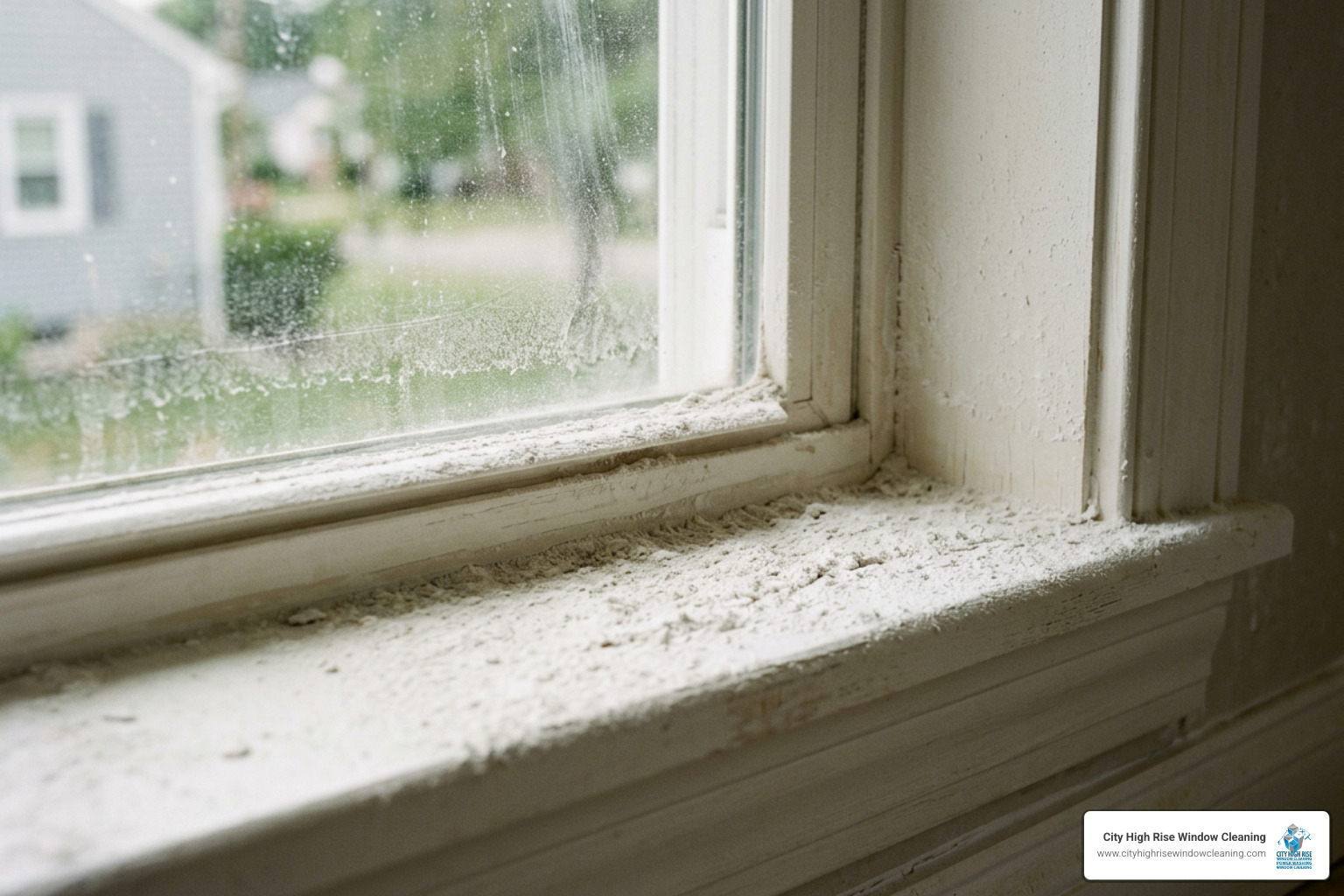
Every surface is coated in a fine white film. Dust is caked into window tracks. There are paint spots on the glass. The brand-new kitchen worktop has a grey haze across it.
This is normal after any construction work — but it’s not harmless. Construction dust isn’t like household dust. It contains fine particles of concrete, plaster, silica, and adhesive that can linger in the air for hours and settle into every crack, vent, and hinge in the building. Left untreated, it can damage expensive new surfaces and pose real respiratory health risks to anyone who occupies the space.
That’s why a proper after builders cleaning isn’t optional — it’s the final, critical step before a renovated space is safe and ready to use.
I’m Brett Hochman, CEO of City High Rise Window Cleaning, with over 48 years of hands-on experience in exterior building maintenance and post-construction cleaning across New York, New Jersey, Long Island, and Westchester. I’ve seen the costly damage that skipping or rushing an after builders cleaning can cause to high-value properties — and in this guide, I’ll walk you through exactly how to do it right.
After builders cleaning word roundup:
- construction cleaning company
- post construction cleaning contractors
- how much does a post construction cleaning cost
What is After Builders Cleaning and Why Standard Methods Fail?
When many property owners walk into a newly renovated space in Manhattan or a freshly built home on Long Island, their first instinct is to grab a broom, a standard household vacuum, and a bottle of multi-surface spray. This is almost always a costly mistake.
Construction dust is fundamentally different from everyday household dust. Standard household dust is primarily composed of organic matter like skin cells, pet dander, and outdoor pollen. Post-construction dust, however, is a highly abrasive, mineral-heavy mixture of pulverized concrete, plasterboard fibers, brick dust, wood particles, and chemical residues from adhesives and sealants.
If you attempt to wipe these highly abrasive particles off delicate new surfaces using standard dry rags or household cleaning sprays, you will act like sandpaper on your brand-new finishes. I have seen countless homeowners permanently scratch expensive custom cabinetry, marble countertops, and high-end stainless steel appliances by trying to wipe away dry construction dust.
Standard domestic vacuums are also entirely unequipped for this task. The microscopic size of plaster and drywall dust will instantly bypass standard domestic filters, clogging the motor, burning out the machine, and—worst of all—recirculating the finest, most hazardous particles back into the air of your home or office. To understand the full scope of what a professional-grade cleanup entails, you can read our Post Construction Cleaning Ultimate Guide.
The Danger of Silica Dust and Fine Particles
The absolute most critical reason to avoid standard cleaning methods is the invisible health hazard lurking in the air: crystalline silica. When workers cut, grind, or drill materials like concrete, brick, stone, mortar, and drywall, they release microscopic silica particles. These particles are up to 100 times smaller than a grain of sand, meaning they remain suspended in the air for hours or even days.
Inhaling crystalline silica dust is a severe health hazard. It can cause permanent lung damage, silicosis, and chronic respiratory issues. This is why organizations like the Occupational Safety and Health Administration (OSHA) enforce strict guidelines for dust control and personal protective equipment (PPE) on active construction sites.
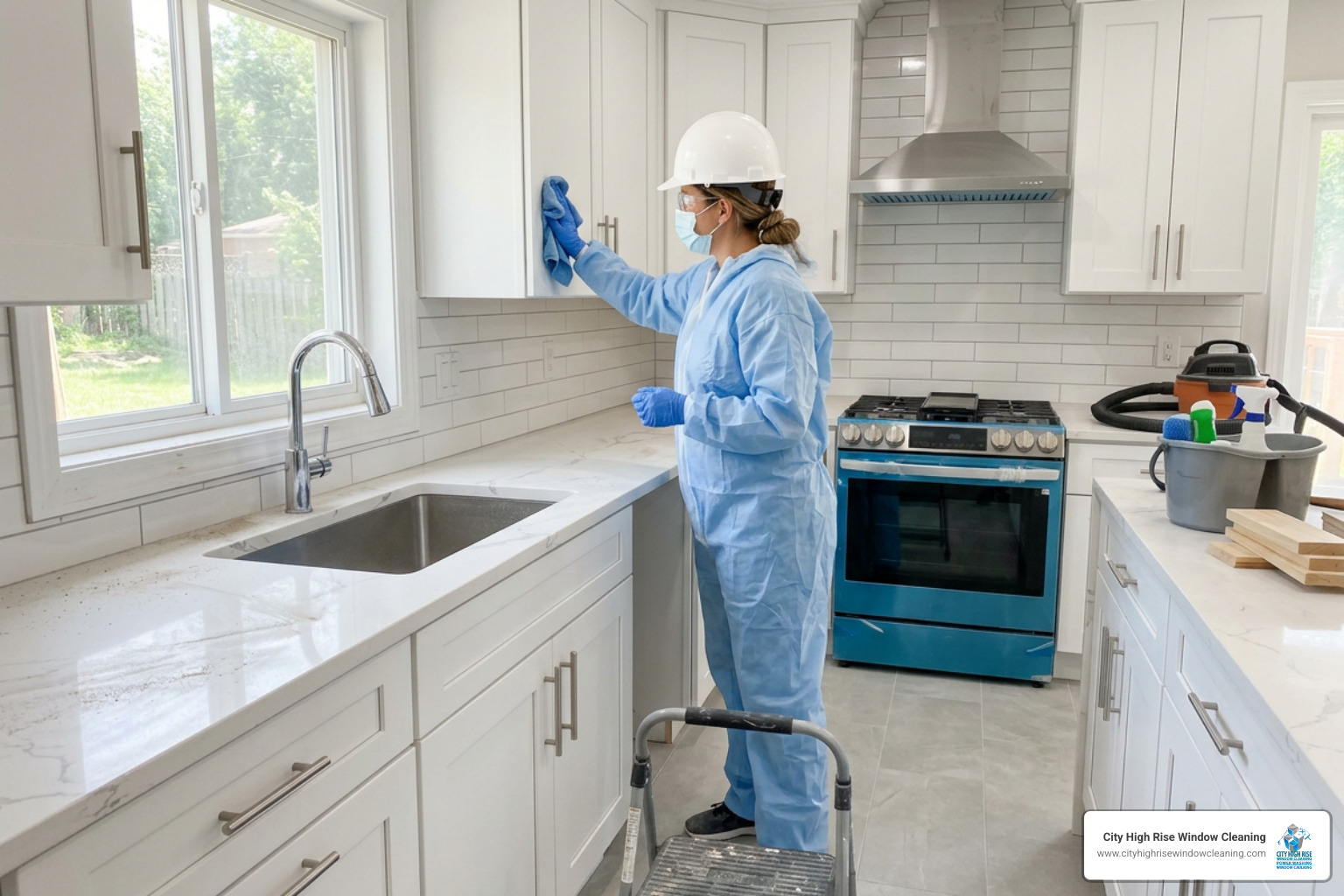
When conducting an after builders cleaning, anyone entering the space must wear appropriate PPE. This includes:
- An N95 or FFP3-rated dust mask to filter out microscopic mineral fibers.
- Fitted safety goggles to protect eyes from abrasive airborne dust.
- Heavy-duty rubber gloves to shield hands from harsh cleaning solvents and sharp debris.
To ensure your indoor air quality is thoroughly restored and free of these microscopic hazards, it is highly recommended to rely on certified Post Construction Cleaning Services that utilize industrial-grade air scrubbers and HEPA filtration systems.
After Builders Cleaning vs. Standard Deep Cleaning
It is common to confuse after builders cleaning with a standard domestic deep clean, but the two services target entirely different challenges.
| Feature | Standard Deep Cleaning | After Builders Cleaning |
|---|---|---|
| Primary Target | Organic grime, grease, dust, and human/pet hygiene buildup. | Mineral-based construction dust, plaster, paint splatters, and adhesives. |
| Equipment Used | Domestic vacuums, microfiber mops, standard detergents. | Industrial HEPA vacuues, glass scrapers, floor buffers, specialist solvents. |
| Surface Risks | Low risk of damage; focused on sanitization. | High risk of scratching new glass, stone, and wood if handled incorrectly. |
| Key Procedures | Wiping surfaces, scrubbing bathrooms, kitchen degreasing. | Grout haze removal, paint scraping, deep track vacuuming, protective film peeling. |
While a deep clean focuses on sanitizing lived-in spaces, an after builders clean is a forensic, surface-restoration process. It requires removing chemical residues like silicone smears, grout haze on ceramic tiles, paint splatters on window frames, and stubborn adhesive residues left behind by protective films.
The Ultimate Room-by-Room After Builders Cleaning Checklist
To achieve a flawless, dust-free finish, you must follow a strict top-to-bottom, dry-to-wet cleaning methodology. This means you always start at the highest point of a room—such as ceiling corners, light fixtures, and high molding—and work your way down to the floors.
Most importantly, dry cleaning must always precede wet cleaning. If you apply water or liquid cleaners to surfaces covered in dry plaster or drywall dust, you will create a thin, muddy paste that smears across surfaces, settles into porous materials, and becomes twice as difficult to remove. Always extract loose dust with a HEPA-filter vacuum and dry microfiber cloths before introducing any liquids.
Interior Post-Construction Cleaning Checklist
1. Kitchens
- Cabinets & Drawers: Vacuum the interior of every cabinet and drawer to remove hidden sawdust. Wipe down the interiors and exteriors with a damp microfiber cloth and a mild, pH-neutral cleaner.
- Appliances: Carefully peel away any remaining blue or clear protective films from stainless steel appliances. Polish the exteriors using specialist stainless steel cleaner.
- Countertops: Dry-dust stone or quartz worktops first, then wash with a stone-safe, pH-neutral cleaner to prevent etching.
- Sinks & Fixtures: Clean construction residue from sinks and polish faucets to remove water spots and plaster marks.
2. Bathrooms
- Grout Haze Removal: Apply a specialized, non-acidic grout haze remover to newly tiled walls and floors to dissolve the white powdery film before it permanently bonds to the tile face.
- Sanitization: Scrub and sanitize toilets, bathtubs, and shower enclosures.
- Chrome & Glass: Polish all chrome fixtures, shower heads, and glass shower doors to a mirror finish.
3. Living Areas & Bedrooms
- High-Level Dusting: Clean ceiling fans, light fittings, and crown moldings.
- Walls & Baseboards: Vacuum walls using a soft brush attachment to extract dust from paint pores, then damp-wipe baseboards and door frames.
- Air Vents: Remove HVAC registers, vacuum inside the duct openings, clean the grilles, and replace the filters to prevent dust from recirculating.
4. Windows & Glazing
- Tracks & Channels: Use a detail brush and heavy-duty shop vacuum to clear plaster, grit, and wood shavings from window tracks.
- Glass Scraping: Mist the glass with water and use a professional, heavy-duty glass scraper held at a 30-degree angle to safely slice away paint spots, plaster, and tape residue without scratching the glass.
For a comprehensive, room-by-room breakdown of our professional standards, see our dedicated Post Construction Cleaning page.
Exterior Post-Construction Cleaning Checklist
Post-construction cleanup is not limited to the interior of your property. The exterior of your building often bears the brunt of heavy foot traffic, mortar mixing, and construction runoff.
- Debris Removal: Sweep and clear all large construction debris, stray nails, screws, and discarded building materials from the yard, walkways, and driveway.
- Exterior Glazing: Clean exterior windows to remove mortar splashes, protective films, and dust.
- Facade Restoration: Wash away brick dust, concrete splatters, and environmental soot from exterior walls and walkways. For high-rise properties or buildings with delicate stone facades, utilizing our specialized High Rise Hot Water Power Washing service is the safest way to restore your building’s curb appeal without damaging the underlying masonry.
- Gutter Cleaning: Clear gutters of roof grit, plaster wash-off, and construction debris to ensure proper drainage before the next heavy Tri-State rainstorm.
When to Schedule Your Post-Construction Clean
Timing is everything. One of the most common mistakes property owners make is scheduling their cleaners to arrive the exact same day the builders pack up their tools.
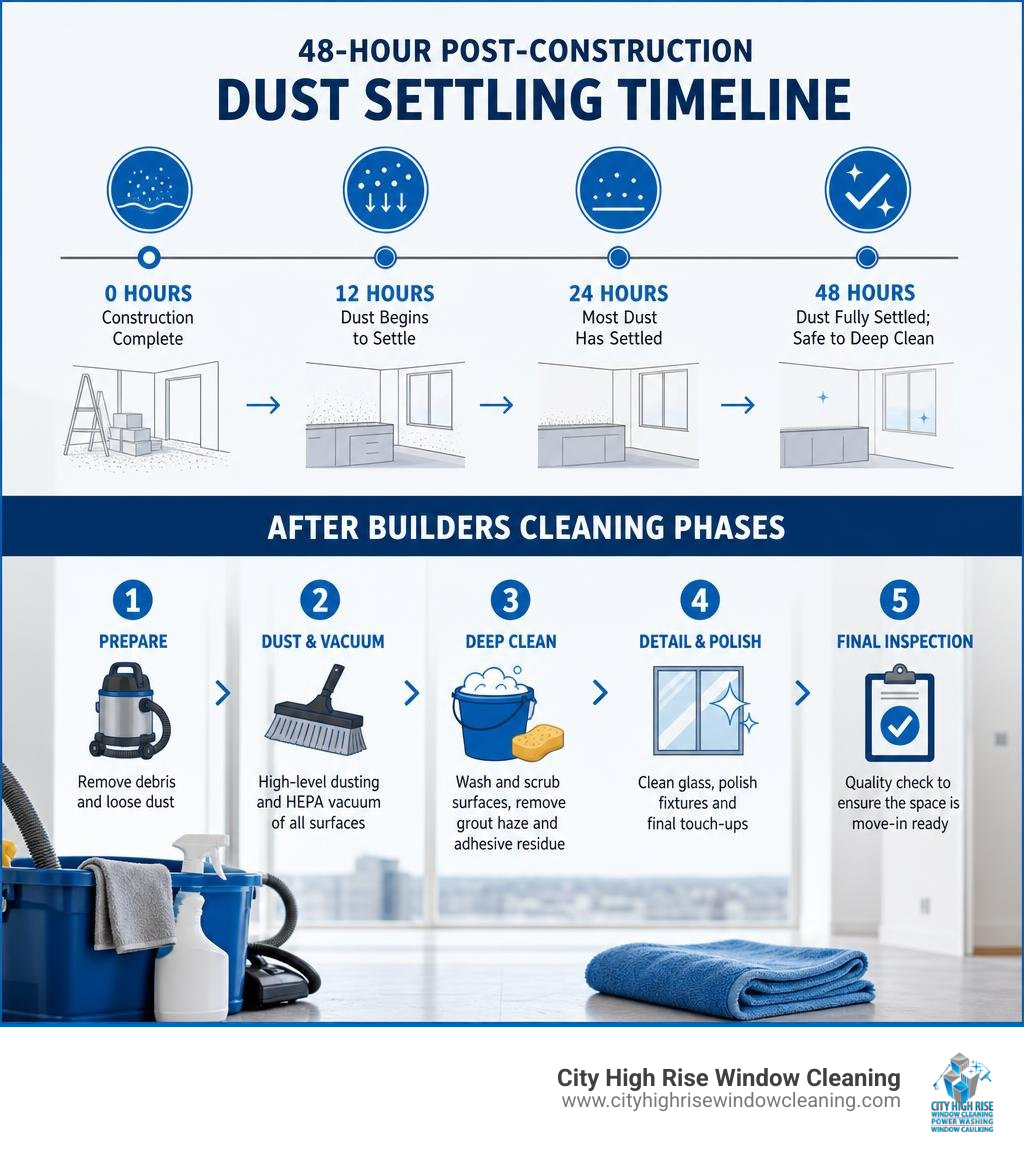
You must wait a minimum of 24 to 48 hours after all active construction and dusty work has completely finished before starting the main clean. Fine construction dust is incredibly light and can remain suspended in the air for hours. If you clean immediately, you will find a fresh layer of white dust has settled over every surface by the next morning. Giving the dust a full 48 hours to settle ensures that when we vacuum and wipe it down, it stays gone.
Additionally, scheduling your clean around your “snagging list” (the final inspection where you identify minor defects for the builder to fix) is crucial. It is highly recommended to perform your initial clean before the final snagging walkthrough, as removing the dust layer makes it far easier to spot paint defects, scratched glass, or uneven tile grout.
The Three Phases of After Builders Cleaning
A professional-grade post-construction cleanup is rarely completed in a single pass. In the commercial and high-end residential sectors, we divide the process into three distinct phases:
- The Rough Clean: This phase occurs while construction is winding down. We remove large debris, packaging, leftover materials, and perform a heavy-duty sweep and vacuum of the subfloor. This allows tradespeople to complete final installations safely.
- The Light Clean: The most labor-intensive stage. Once the trades have fully departed, we perform detailed dust extraction from all surfaces, clean the interior of cabinets, scrub bathrooms, clean windows, and remove paint and plaster splatters.
- The Sparkle Clean: Completed right before the final handover or move-in date. This is a final polish where we wipe down resettled dust, polish chrome fixtures, eliminate fingerprints from glass, and ensure the property is in absolutely pristine, showroom condition.
DIY vs. Professional Post-Construction Cleaning: Pros, Cons, and Costs
Is it possible to complete an after builders clean yourself? Technically, yes—but it requires an immense investment of time, physical labor, and specialist equipment.
The primary risk of DIY post-construction cleaning is accidental, permanent damage to your brand-new, expensive finishes. Without professional-grade scrapers, pH-neutral chemical solvents, and proper training, it is incredibly easy to scratch custom glass windows, etch natural stone countertops, or warp newly installed hardwood floors by using excessive water.
Furthermore, standard household vacuums will quickly fail when exposed to fine drywall dust. When you factor in the cost of renting commercial-grade equipment and purchasing specialist cleaning agents, hiring a professional team is often the most cost-effective decision. For a detailed breakdown of pricing structures, check out The Ultimate Post Construction Cleaning Cost Guide for 2026.
Tri-State Regional Cost Breakdown: NYC, Long Island, Westchester, and NJ
Post-construction cleaning costs in the Tri-State area vary based on property size, the extent of the construction work, and accessibility. On average, professional services range from $200 to $800+ (including VAT/tax where applicable).
- Studio / 1-Bed Apartment: $200 – $350
- 2-Bed Property: $300 – $500
- 3-Bed House: $450 – $700
- 4+ Bed / Large Property: $600 – $1,000+
Regional Variations
Due to the logistical challenges of parking, waste disposal, and building access in urban areas, rates in Manhattan and Brooklyn are typically 20% to 30% higher than in suburban areas of Long Island, Westchester, and Northern New Jersey.
Specialist Equipment Needed for Safe After Builders Cleaning
If you are determined to tackle the cleanup yourself, or want to ensure your hired contractor is properly equipped, verify that the following industrial-grade tools are being used:
- Industrial HEPA-Filter Vacuums: These vacuums feature multi-stage filtration systems designed specifically to capture microscopic drywall and silica dust without clogging or blowing it back into the room.
- Professional Glass Scrapers: Equipped with carbon steel blades to slice off paint and tape residue without scratching the glass pane (always wet the glass first!).
- pH-Neutral Stone & Wood Cleaners: Formulated to clean delicate marble, quartz, and hardwood without stripping protective sealants or leaving dull chemical residues.
- Heavy-Duty Shop Vacuums: Essential for clearing out wet plaster slurry, wood chips, and heavy grit from window tracks and sliding door channels.
Frequently Asked Questions About After Builders Cleaning
Who is responsible for post-construction cleaning?
While contractors usually perform a basic sweep-up of major debris, they rarely provide the detailed, microscopic dust removal required for safe occupancy. Homeowners and commercial property managers typically hire specialist after builders cleaning companies to ensure the space is truly clean and safe.
How long should you wait before starting an after builders clean?
You should wait at least 24 to 48 hours after the construction work is fully completed. This allows airborne dust particles to settle completely onto surfaces where they can be vacuumed and wiped away, preventing the need to clean the same areas multiple times.
Can you do an after builders clean yourself?
While possible for very small renovations, DIY after builders cleaning is highly challenging. Standard household vacuums will quickly clog or break from fine drywall dust, and without professional techniques, you risk permanently scratching new glass, countertops, and flooring.
What is the difference between a builders clean and a sparkle clean?
A builders clean focuses on heavy dust removal, paint/adhesive scraping, and preparing the space for inspection. A sparkle clean is the final phase, completed just before handover, focusing on polishing fixtures, cleaning glass to a shine, and making the property look pristine for the new occupants.
Conclusion
A successful renovation project shouldn’t end with a dusty headache. For over 30 years, property owners, developers, and general contractors across New York City, Long Island, Westchester, and New Jersey have trusted City High Rise Window Cleaning to deliver flawless, showroom-ready results.
Our highly trained teams are fully insured, equipped with state-of-the-art HEPA extraction equipment, and backed by our 100% customer satisfaction guarantee. We understand how to protect your high-end finishes, clean delicate glazing safely, and completely eliminate hazardous silica dust from your indoor air. Let us transform your dusty construction zone into the spotless sanctuary you deserve.
Ready for a free quote? City High Rise Window Cleaning offers 24/7 live consultation and fast local estimates.


