

Sparkle Sustainably: The Ultimate Eco-Friendly Window Cleaning Handbook
Eco friendly window cleaning: Ultimate Guide 2026
Why Your Window Cleaner Matters More Than You Think
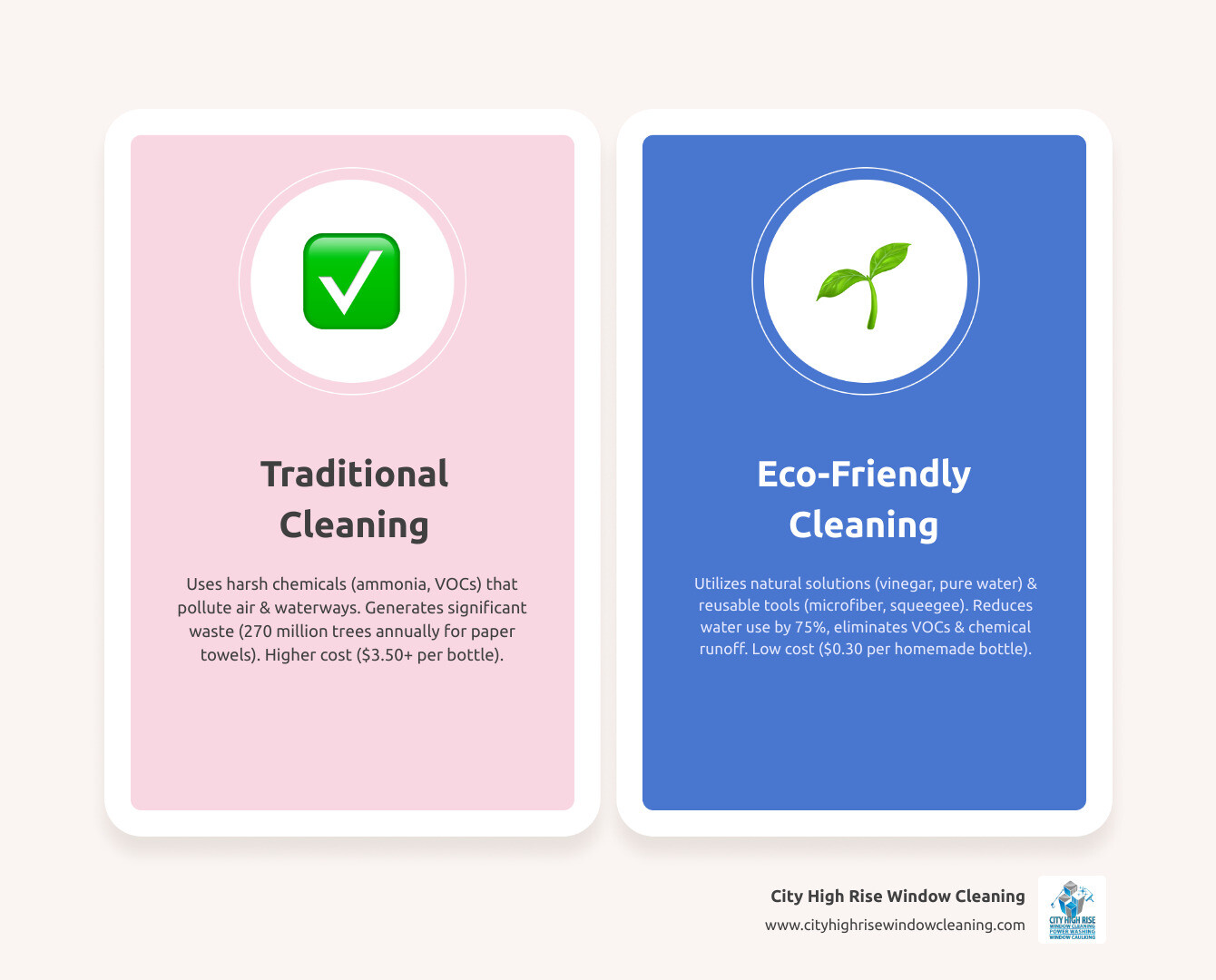
Eco friendly window cleaning is more than just a trend—it’s a necessary shift away from the harsh chemicals, excessive waste, and hidden health risks of traditional methods. Here’s what you need to know:
Quick Answer: What is Eco-Friendly Window Cleaning?
- Natural Solutions: Use vinegar, lemon juice, or pure water instead of ammonia-based chemicals
- Reusable Tools: Replace disposable paper towels with microfiber cloths or squeegees
- Water Conservation: Employ techniques like water-fed poles with purified water
- Zero Toxins: Eliminate VOCs, phthalates, and other harmful compounds
- Cost Savings: Homemade cleaners cost around $0.30 per bottle vs. $3.50+ for commercial brands
The reality is sobering. Traditional window cleaners contain chemicals like ammonia and butyl glycol that evaporate into your indoor air and run off into local waterways. Paper towels used for cleaning contribute to the 270 million trees cut down annually for their production. These towels end up in landfills, where they release methane—a potent greenhouse gas.
But there’s a better way. Eco-friendly window cleaning delivers the same sparkling results without compromising your health, your budget, or the environment. It combines simple natural ingredients with smart techniques and the right tools.
I’m Brett Hochman, CEO of City High Rise Window Cleaning, and I’ve been leading eco-conscious building maintenance across New York and New Jersey since 1977. Our team specializes in sustainable Eco friendly window cleaning solutions for commercial high-rises, using pure water technology and chemical-free methods that protect both people and the planet.
Learn more about Eco friendly window cleaning:
The Hidden Dangers of Conventional Window Cleaners
When you reach for that familiar blue spray bottle, you might not be thinking about what’s actually in it. The truth is, many traditional window cleaning products, while effective at cutting grime, come with a hefty price tag for both your health and the environment. As someone deeply invested in the well-being of our clients and our planet, I’ve seen the impact of these chemicals.
Health risks associated with traditional cleaners are significant. Ingredients like ammonia, a common component in many glass cleaners, can irritate your eyes, skin, and respiratory system. Phthalates, often used to create synthetic fragrances in cleaning products, have been linked to hormonal disruptions. Butyl glycol, another solvent, can cause headaches, dizziness, and nausea. These volatile organic compounds (VOCs) don’t just disappear; they evaporate into your indoor air, contributing to poorer indoor air quality and potentially triggering allergic reactions or respiratory issues. For residents and workers in high-rise buildings across New York and New Jersey, where ventilation might be a concern, maintaining good indoor air quality is paramount.
The environmental impact is equally alarming. When these chemicals are washed off your windows, they often end up in our waterways. This chemical runoff can harm aquatic life and disrupt delicate ecosystems. In dense urban environments like New York City, every drop counts, and minimizing pollution is a shared responsibility.
The Problem with Paper Towels
Beyond the chemicals, even the tools we use can be detrimental. Think about the humble paper towel. While convenient for a quick wipe, their environmental footprint is colossal. In North America alone, more than 51,000 trees are cut down every single day to support paper towel consumption. Worldwide, consumers discard an astonishing 254 million tons of paper towels each year, contributing to the staggering statistic of 270 million trees cut down annually for their production.
Once used, these paper towels can’t be recycled due to contamination and typically end up in landfills. There, as they decompose, they release methane, a potent greenhouse gas that contributes to climate change. Plus, they often leave behind annoying lint residue on your freshly cleaned windows. It’s a lose-lose situation. That’s why I strongly advocate for reusable alternatives that reduce waste and still deliver a streak-free shine.
Harmful Chemicals to Avoid
To truly accept Eco friendly window cleaning, it’s crucial to know what to avoid. I’ve compiled a list of common toxic ingredients found in traditional cleaners that you should steer clear of:
- Ammonia: Causes eye, skin, and respiratory irritation.
- Chlorine (Sodium Hypochlorite): A strong irritant that can create toxic fumes when mixed with other cleaners.
- Phthalates: Often hidden in “fragrance” labels, linked to hormonal disruption.
- Ethylene Glycol Monobutyl Acetate: Can cause headaches and dizziness.
- Trisodium Phosphate: A strong degreaser that can irritate skin and eyes.
- Volatile Organic Compounds (VOCs): A broad category of chemicals that off-gas into the air, contributing to indoor air pollution and respiratory problems.
Avoiding these ingredients is a straightforward step toward a healthier home or business environment in cities like Newark, Jersey City, or even high-rise residences in Westchester.
Your DIY Eco-Friendly Window Cleaning Toolkit
Now that we’ve covered the “why,” let’s dive into the “how.” Embracing DIY Eco friendly window cleaning offers incredible benefits: significant cost savings, complete control over the ingredients (meaning no hidden toxins!), and the satisfaction of knowing you’re protecting your family and the planet. I’ve found that a homemade glass cleaner only costs about $0.30 per bottle to make, compared to commercial eco-friendly options that can run at least $3.50. That’s a huge saving, especially for regular cleaning in larger properties across Long Island or New York City.
Natural Ingredients for a Powerful, Eco-Friendly Window Cleaning Solution
You don’t need a chemistry degree to whip up effective, non-toxic window cleaners. Many of the best ingredients are likely already in your pantry! Here are some of my favorite natural powerhouses:
- Distilled White Vinegar: This is the superstar of natural cleaning. Its acetic acid content cuts through grease, dirt, and mineral deposits like a charm. Health Freedoms.org advises a simple 50/50 solution of distilled white vinegar and warm water. For tougher jobs, a 100% vinegar spray might be needed, letting it sit for five minutes before scrubbing. I always recommend using distilled water for homemade cleaners, as it prevents mineral streaks and prolongs shelf life.
- Lemon Juice: Adds a fresh scent and extra cleaning power due to its citric acid. Eco-Cycle suggests mixing one tablespoon of lemon juice with a quart of water. It’s a great alternative to vinegar if you prefer a different aroma.
- Cornstarch: This might surprise you, but cornstarch acts as a mild abrasive to lift residue and absorb oils, helping to achieve a streak-free finish.
- Borax: Another excellent option, Eco-Cycle recommends dissolving two tablespoons of borax in three cups of water for an effective cleaner. It’s a natural mineral that boosts cleaning power.
Here are a few simple, effective DIY recipes:
- Basic Vinegar & Water: Mix equal parts distilled white vinegar and warm water in a spray bottle. Spray on glass and wipe dry with a clean cloth.
- Lemon Fresh Cleaner: Combine one tablespoon of lemon juice with a quart (about 4 cups) of water.
- Borax Boost: Dissolve two tablespoons of borax in three cups of water.
- Heavy-Duty Streak-Free: For a stronger cleaner that works wonders, I often recommend a recipe of 2 cups distilled water, 1/4 cup white vinegar (or apple cider vinegar), 1/4 cup rubbing alcohol, and 1 tablespoon cornstarch. A few drops of essential oil (like peppermint or citrus) can be added for a pleasant scent. Mix these ingredients in a spray bottle and shake well before each use.
Remember to always label your homemade cleaners clearly and keep them out of reach of children.
The Best Tools for a Streak-Free Finish
Even the best cleaning solution won’t give you sparkling windows without the right tools. Forget the paper towels – they’re bad for the environment and leave lint. I’ve found that investing in quality, reusable tools is key for an effective and truly Eco friendly window cleaning routine.
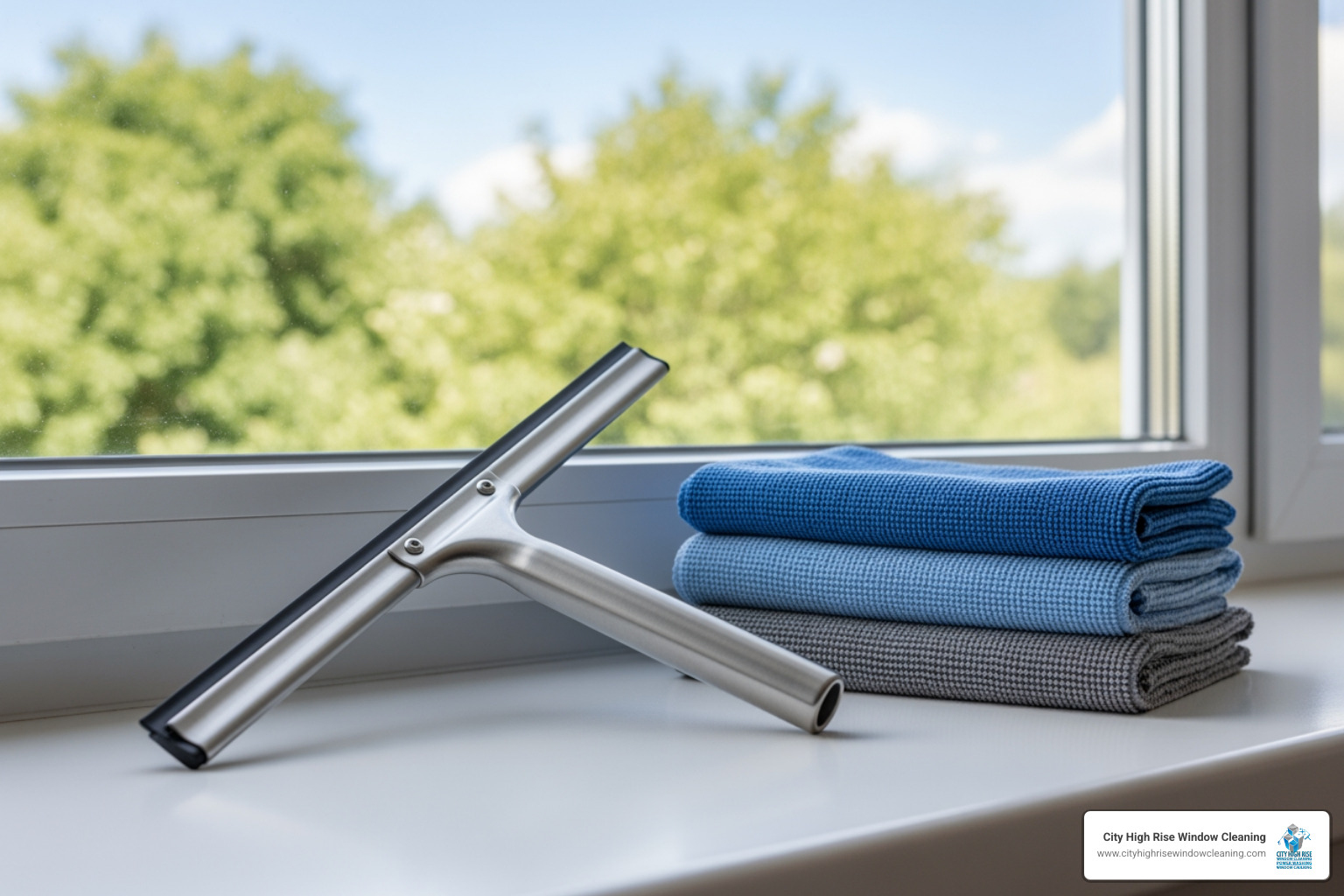
- Squeegee: A good quality squeegee is a game-changer. It’s incredibly efficient, helps conserve water, and is the secret to a professional, streak-free finish. Look for one with a soft, rubber blade.
- Microfiber Cloths: These are highly effective for cleaning and polishing. Their polyester and polyamide fabric strands are 100 times finer than human hair, making them excellent at lifting dirt, grease, and dust without the need for harsh chemicals. They are durable, washable, and can be reused hundreds of times, significantly reducing waste compared to paper towels.
- Reusable Cotton Rags: Old t-shirts, sheets, or towels cut into rags are fantastic, truly eco-friendly alternatives. They’re absorbent and won’t leave lint if they’re well-worn and washed.
- Old Newspapers: Believe it or not, crumpled newspaper can be surprisingly effective for drying and polishing windows, leaving a streak-free shine. Plus, it’s compostable!
Now, let’s talk about the “microfiber controversy.” While microfiber cloths are reusable and reduce the need for paper towels, it’s important to acknowledge their limitations. They are made from petrochemicals, a non-renewable resource, and do not biodegrade. The downside: when washed, they can shed tiny plastic fibers, contributing to microplastic pollution in our waterways. This is a concern I take seriously.
To mitigate this, I recommend a few best practices:
- Wash Less: Launder your microfiber cloths only when necessary to reduce fiber release.
- Use Filters: Consider using laundry filters or special washing bags designed to capture microplastics.
- Choose Alternatives: For general cleaning, opt for natural and organic fabrics like cotton, hemp, or linen. Old sheets and tees cut into rags are an excellent, zero-cost alternative. Look for 100% biodegradable, compostable cleaning cloths if available.
- Don’t Landfill: When a microfiber cloth reaches the end of its life, avoid sending it to a landfill. Research local textile recycling options.
The goal is to choose the most sustainable option that works for your cleaning needs, balancing effectiveness with environmental impact.
Pro Techniques for a Flawless, Sustainable Shine
Achieving a truly sparkling, streak-free window with eco-friendly methods isn’t just about the right ingredients; it’s also about mastering the techniques. Whether you’re tackling your own windows or considering professional services for a high-rise in Manhattan or Long Island, these pro tips will make a difference.
Mastering the Squeegee for Professional Results
A squeegee is the professional’s secret weapon for efficiency and a streak-free finish. It takes a little practice, but once you get the hang of it, you’ll wonder how you ever cleaned windows without one.
- Prep the Window: Apply your chosen eco-friendly cleaning solution generously to the entire window surface using a sponge or applicator.
- Start at the Top: Begin your first squeegee stroke at the very top edge of the window.
- Overlap Strokes: Pull the squeegee down in a straight, even line. For the next stroke, overlap the previous one by about an inch. This ensures you don’t miss any spots and prevents streaks.
- Wipe the Blade: After each stroke, wipe the squeegee blade clean with a dry microfiber cloth or rag. This removes dirty water and prevents it from being redeposited on the glass.
- Maintain Angle and Pressure: Hold the squeegee at a slight angle (around 15-30 degrees) to the glass and apply consistent, even pressure. Too little pressure will leave streaks; too much will cause the blade to skip.
- Edge Control: For the edges, use a smaller squeegee or carefully clean with a dry cloth after the main passes.
For those challenging, high-rise windows that are beyond DIY reach, mastering the squeegee is just one part of our expertise. We bring this level of precision to every job. You can learn More about our professional services and how our skilled team uses these techniques daily.
The Role of Pure Water Technology in Green Cleaning
For large-scale and high-rise window cleaning, Eco friendly window cleaning takes a significant leap forward with pure water technology. This is a cornerstone of our operations at City High Rise Window Cleaning, especially for our clients in New York City, New Jersey, and Westchester.

Pure water technology involves filtering tap water through advanced systems like Reverse Osmosis (RO) and Deionization (DI). These systems remove all the impurities, minerals, and dissolved solids (TDS) from the water, leaving us with ultra-pure water.
Here’s why it’s a game-changer:
- Chemical-Free Cleaning: Because pure water naturally seeks out and absorbs dirt and grime, it eliminates the need for harsh cleaning chemicals entirely. This means zero chemical runoff into storm drains and a safer environment for our technicians and your building’s occupants.
- Streak-Free Drying: Without any minerals or dissolved solids, pure water dries perfectly clear, leaving no spots or streaks behind. This is crucial for achieving that pristine look on large glass facades.
- Water Conservation: Using purified water systems can reduce water usage by approximately 75% compared to traditional methods that require extensive rinsing. When combined with water-fed poles, this technology becomes incredibly efficient.
- Safety at Height: Water-fed poles allow our technicians to clean windows up to several stories high from the safety of the ground or a platform, reducing the need for ladders and enhancing safety for everyone in busy urban environments.
This technology is ideal for Commercial High Rise Window Cleaning, where efficiency, safety, and environmental responsibility are paramount. It’s how we deliver unparalleled clarity and a truly green clean to some of the most iconic buildings in our service areas.
How to Conserve Water While You Clean
Water conservation is a critical component of any Eco friendly window cleaning practice. Every drop saved contributes to a healthier planet, especially in densely populated areas like Long Island and New Jersey.
- Squeegee Efficiency: As I mentioned, a squeegee is your best friend for water conservation. By efficiently removing dirty water in one swipe, it drastically reduces the amount of water needed for rinsing compared to endlessly spraying and wiping with cloths.
- The Bucket Method: Instead of continuously running water, use a bucket of your eco-friendly solution. Dip your applicator, clean a section, then squeegee it dry. This minimizes waste.
- Rainwater Collection (Considered): While practical for some residential settings, collecting rainwater for high-rise window cleaning is complex and usually handled by specialized building systems rather than individual cleaning efforts. However, for ground-level windows or smaller properties, a rain barrel can be a great, sustainable source of water.
- Work Smart: Clean from top to bottom. This ensures that dirty water runs down onto uncleaned sections, preventing you from having to re-clean areas and saving water.
- Don’t Over-Spray: Use just enough solution to cover the window. Excess spray simply wastes product and water.
By integrating these water-saving techniques, both DIY enthusiasts and professional services can significantly reduce their environmental footprint.
Overcoming Common Green Cleaning Challenges
Even with the best intentions and eco-friendly products, you might encounter a few problems. Don’t worry, these challenges are common, especially in urban environments like New York City, where windows collect a unique blend of pollution, dust, and grime. I’ve learned how to overcome them over decades in the business.
Tackling Hard Water Spots and Stubborn Stains
Hard water spots are a common nemesis, leaving unsightly white marks on your windows. In areas with hard water, like parts of New Jersey, these can be particularly stubborn. And then there’s the unique grime of NYC – exhaust fumes, construction dust, and general city grit can create tenacious stains.
- Vinegar Soak Method: For hard water spots, a stronger vinegar solution is your ally. I recommend a 1:1 mixture of white vinegar and water. Spray the affected area generously and let it sit for 5-10 minutes. The acidity helps to break down the mineral deposits. Then, scrub with a non-abrasive pad and squeegee clean.
- Mild Abrasives (Baking Soda): For really tough grime or sticky residues, a paste made from baking soda and a little water can work wonders. Apply it to the stain, let it sit for a few minutes, then gently scrub. Always test on an inconspicuous area first, especially on tinted or coated windows, as acidic substances like vinegar might affect special coatings.
- Patience and Technique: Sometimes, it’s not about harsher chemicals but more patient application. Letting your eco-friendly solution dwell for a few minutes can significantly improve its effectiveness.
- Waxy Residue from Old Cleaners: If you’re switching from traditional chemical cleaners, you might notice streaks initially. This is often due to a waxy film left behind by conventional products. A few thorough cleanings with your vinegar-based solution will gradually strip this away, revealing the true sparkle.
For stains that have etched into the glass or for significant damage, sometimes a deeper intervention is required. Our team specializes in Window Restoration services, which can address issues like mineral deposits, oxidation, and even minor scratches, bringing your windows back to their original glory.
How to Identify Genuinely Eco-Friendly Products
The market is flooded with products claiming to be “green” or “eco-friendly,” a phenomenon known as “greenwashing.” As a consumer or business owner, cut through the marketing jargon and identify genuinely sustainable options.
- Read Labels Carefully: Don’t just look for buzzwords. Check the ingredient list. Look for terms like “biodegradable,” “plant-derived,” “phosphate-free,” and “VOC-free.” If a label simply says “natural fragrance” without specifying ingredients, be wary, as it might contain phthalates.
- Look for Certifications: The most reliable way to identify genuinely eco-friendly products is through third-party certifications. In the U.S., the EPA Safer Choice program is an excellent indicator. Products with the Safer Choice label have been reviewed by the EPA and contain ingredients that meet their stringent human health and environmental criteria.
- Avoid Vague Claims: Be skeptical of vague claims like “environmentally friendly” or “earth-friendly” without supporting details or certifications. A truly eco-friendly product will usually be transparent about its ingredients and its environmental impact.
- Check for Recyclable Packaging: Beyond the product itself, consider its packaging. Is it made from recycled materials? Is it recyclable? Reducing plastic waste is another key aspect of eco-conscious living.
By being an informed consumer, you can make choices that truly align with your values for Eco friendly window cleaning.
Frequently Asked Questions about Eco-Friendly Window Cleaning
Are homemade window cleaners as effective as store-bought ones?
Yes, homemade cleaners using ingredients like vinegar and cornstarch are highly effective at cutting through grease and grime. Their effectiveness is maximized when paired with the right tools, like a quality squeegee, often outperforming commercial products that can leave a waxy residue. In fact, many professionals, myself included, rely on the power of simple, natural ingredients.
What is the best time of day to clean windows?
The best time to clean windows is on a cool, overcast day. Direct sunlight and heat can cause your cleaning solution to evaporate too quickly, leaving behind hard-to-remove streaks and water spots. Early morning or late afternoon can also work, but avoid the midday sun, especially during the hot summers in New Jersey and Long Island.
Are microfiber cloths really eco-friendly?
Microfiber cloths are a mixed bag. They are highly effective, reusable, and reduce the need for paper towels and chemical cleaners, which are significant environmental benefits. However, they are made from non-biodegradable plastics and can shed microplastics when washed. To mitigate this, wash them less, use a laundry filter, or opt for natural fiber cloths like cotton or linen.
A Clearer View and a Cleaner Planet
Embracing Eco friendly window cleaning is a powerful way to make a positive impact, one sparkling pane at a time. The benefits extend far beyond just a clear view: you’re creating a healthier home or work environment by eliminating harsh chemicals, contributing to environmental responsibility by reducing pollution and waste, and often enjoying long-term savings from inexpensive DIY solutions.
For decades, I’ve been committed to demonstrating that superior window cleaning doesn’t have to come at the expense of our planet. From the busy streets of Manhattan to the quiet communities of Westchester, our team at City High Rise Window Cleaning uses the most advanced pure water technology and sustainable practices to deliver exceptional results. We believe in providing services that improve your view while protecting the air you breathe and the water we all share.
For a professional, eco-conscious clean in Manhattan, explore our Manhattan high-rise window cleaning services.
Ready for a free quote? City High Rise Window Cleaning offers 24/7 live consultation. Call 917-749-8342 to speak to a live representative.


