

The Ultimate Guide to Algae and Grime Removal
Algae removal power washing: 5 Ultimate Steps
Algae Is Costing You More Than You Think: A 5-Step Power Washing Guide
Algae removal power washing is a proven method to eliminate unsightly green and black stains from exterior surfaces while preventing structural damage and safety hazards. Here’s what you need to know:
Quick Answer: How to Remove Algae with Power Washing
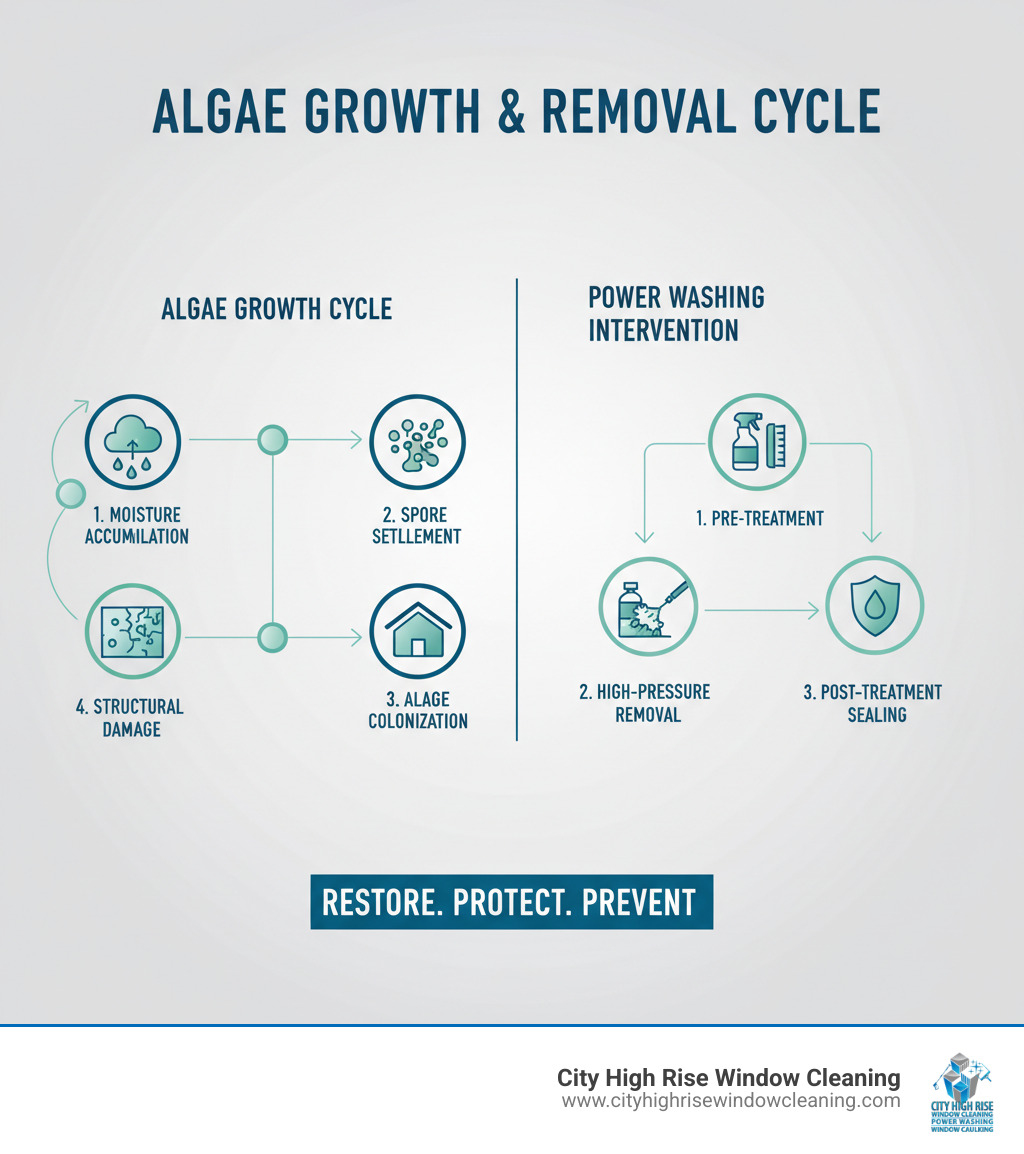
- Assess the surface – Identify material type and algae severity
- Apply cleaning solution – Use biodegradable detergent, let dwell 10-20 minutes
- Power wash – Use 1,200-3,000 PSI depending on surface (concrete vs. siding)
- Rinse thoroughly – Remove all solution and debris with low pressure
- Seal and prevent – Apply protective sealant, improve drainage and sunlight
Best for: Concrete, brick, stone, vinyl siding, wood decks, and roof shingles
Avoid: Excessive pressure on delicate surfaces—use soft washing for stucco, painted wood, and older roofs
Slimy green algae doesn’t just hurt your property’s curb appeal; it’s a structural threat and a liability. In the humid climates of New York City, Long Island, and New Jersey, algae makes walkways slippery, traps moisture that causes wood rot on roofs, and can form invasive lichen that damages surfaces. The longer it sits, the more it costs in repairs and lost property value.
Power washing offers a highly effective solution by using high-pressure water and targeted cleaning solutions to remove algae and its spores. However, using the wrong pressure or technique can damage siding, strip paint, or void warranties. Understanding the difference between power washing and soft washing is critical for protecting your investment.
This guide walks you through why algae grows, how power washing removes it, and how to prevent it from returning. I’m Brett Hochman, CEO of City High Rise Window Cleaning. With nearly five decades of experience in exterior building maintenance across the Tri-State area, I’ve seen how proper algae removal power washing can restore properties—and how the wrong approach causes costly damage.
Why Algae Attacks Your Property (And the Damage It Causes)
That green, slimy film on your patio or siding is algae, and it’s doing more damage than you think. Algae are simple photosynthetic organisms whose microscopic spores travel through the air, waiting for the right conditions to colonize your building’s exterior.
In the New York City metro area—including Long Island, New Jersey, and Westchester—those conditions are everywhere. Our region’s humid summers and wet winters create the perfect breeding ground. Algae thrives in moisture, making shaded areas and surfaces with poor drainage especially vulnerable. Porous surfaces like concrete, brick, and unsealed wood trap spores and moisture, allowing algae to root deeply, often requiring high rise hot water power washing to dislodge.
Algae isn’t just ugly—it’s destructive and dangerous:
- Structural Damage: Algae holds moisture against surfaces, leading to wood rot and the degradation of asphalt shingles. When it partners with fungus to form lichen, it can root into materials and accelerate deterioration, potentially leading to premature roof replacement.
- Safety Hazards: Algae-covered walkways and decks become dangerously slippery, creating significant slip-and-fall risks and liability issues for property managers.
- Reduced Property Value: An algae-covered building looks neglected, which can deter potential buyers or tenants and lead to lower offers or extended vacancies.
- Health and Comfort: Algae, mold, and mildew produce musty odors and can trigger allergy or asthma symptoms, affecting air quality near outdoor living spaces or ventilation systems. This is a key concern during post construction cleaning when dust and spores are disturbed.
As noted by experts at Ask Wet & Forget, understanding algae is the first step toward effective removal.
Common Types of Exterior Algae
- Green Algae (Chlorophyta): The most common type, appearing as a slimy green film on damp, shaded surfaces. It’s the primary cause of slippery walkways.
- Black Algae (Gloeocapsa magma): Technically a cyanobacterium, it creates dark, streaky stains on roofs. Its tough outer capsule protects it from sunlight, making it a resilient, year-round problem.
- Lichen: A symbiotic partnership between algae and fungus. Lichen is far more invasive, embedding root-like structures into surfaces that can crack concrete, brick, and even metal, making removal much more challenging.
The Power Washing Playbook: Techniques and Solutions for Algae
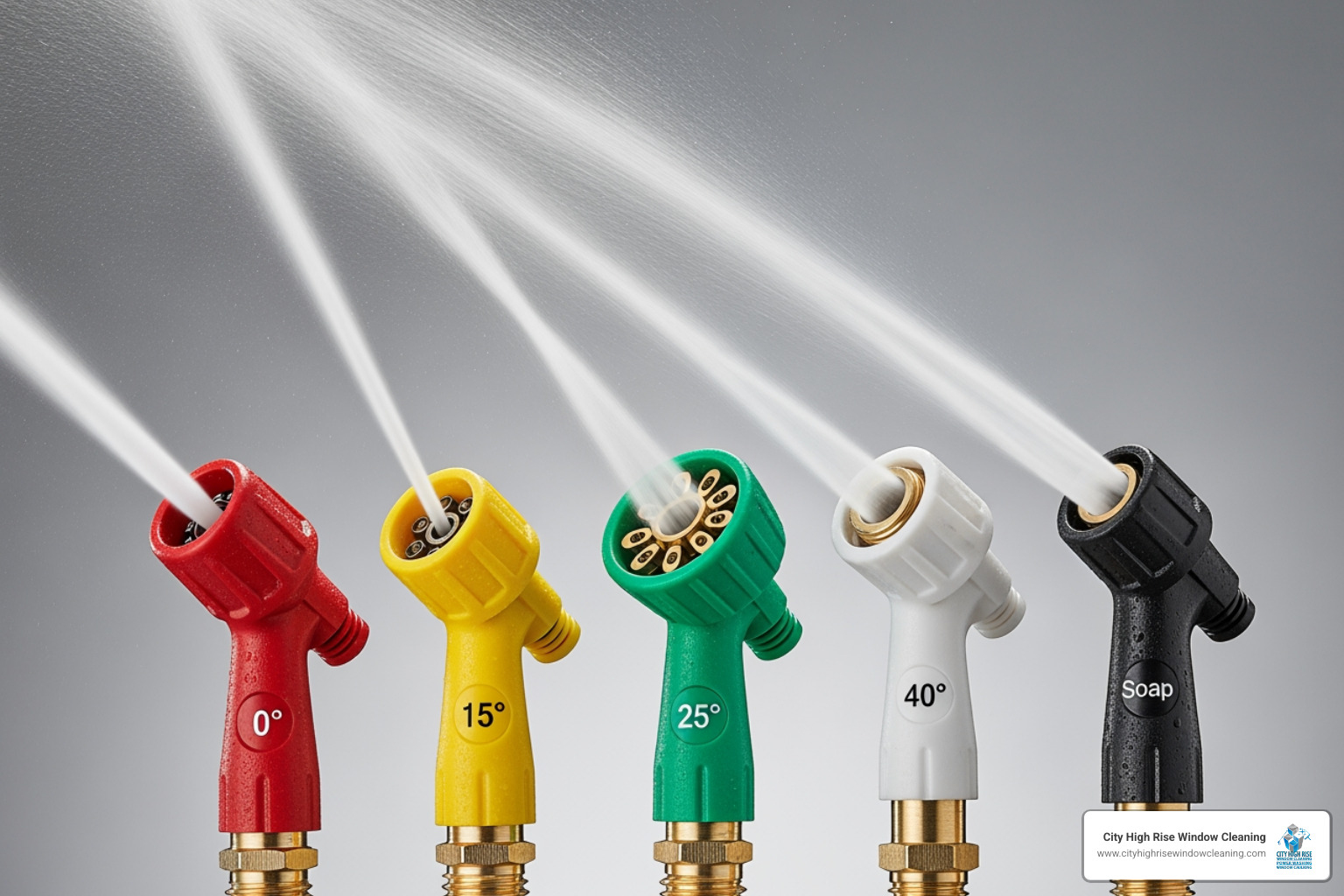
Effective algae removal power washing is a systematic approach that combines the right pressure, technique, and cleaning solutions. A high-pressure water stream physically dislodges algae and its spores from deep within porous surfaces like concrete and brick. However, not every surface can handle high pressure, which is why understanding the difference between power washing and soft washing is essential to avoid costly damage.
Power Washing vs. Soft Washing for Algae
Think of power washing and soft washing as two different tools. Knowing when to use each method is key to a successful and safe cleaning project.
Power washing is the heavy-duty approach, using high PSI (2,500-3,000 PSI) to blast away contaminants. It excels on durable surfaces like concrete driveways, brick walkways, and stone patios.
Soft washing is the gentle alternative. It uses low pressure—often no more than a garden hose—and relies on specialized cleaning solutions to kill algae at its root before rinsing it away. This method is ideal for delicate surfaces like vinyl siding, painted wood, stucco, and roofs, where high pressure could cause damage or void warranties. Soft-washed surfaces often stay clean longer because the organism is killed, not just removed. For delicate jobs like Awning Cleaning, soft washing is the only safe choice.
Here’s how we match the method to the surface:
| Surface Type | Recommended Method | Pressure Range (PSI) | Primary Cleaning Agent | Key Considerations |
|---|---|---|---|---|
| Vinyl Siding | Soft Wash | 500-800 | Biodegradable detergent/biocide | Avoid direct, high-pressure spray; rinse thoroughly |
| Wood Decks | Soft Wash | 500-1,200 | Wood cleaner/biocide | Work with the grain; avoid etching or splintering |
| Concrete Patios | Power Wash | 2,500-3,000 | Alkaline degreaser/biocide | Can withstand higher pressure; great for deep stains |
| Roof Shingles | Soft Wash | 100-300 | Biocide (e.g., quaternary ammonium) | NEVER use high pressure; protect landscaping; low PSI |
Choosing the Right Cleaning Solutions for Algae Removal Power Washing
Pressure alone isn’t enough. The secret to lasting results is using the right cleaning solution to kill algae at its root.
Biodegradable detergents and biocides are our top choice. Professional-grade cleaners contain biocides, such as quaternary ammonium compounds, which are designed to kill algae, mold, and mildew spores, preventing rapid regrowth. For a non-toxic option on concrete, oxygen bleach (sodium percarbonate) works well and is safer for surrounding plants.
While a diluted bleach solution can kill visible algae, we advise caution. It can harm plants, discolor wood or colored concrete, and rust metal fixtures. If a bleach-based product is used, it must be properly diluted and applied with extreme care, especially around landscaping. Always follow the manufacturer’s instructions for dilution to avoid damaging surfaces or rendering the solution ineffective. Our professional team uses biodegradable solutions and water-minimizing techniques as part of our comprehensive Services to protect your property and the environment.
A Pro’s Guide to Power Washing Algae: A 5-Step Process
Over decades in the business, I’ve refined algae removal power washing into a systematic process that ensures safety, effectiveness, and lasting results.
Step 1: Preparation and Safety First
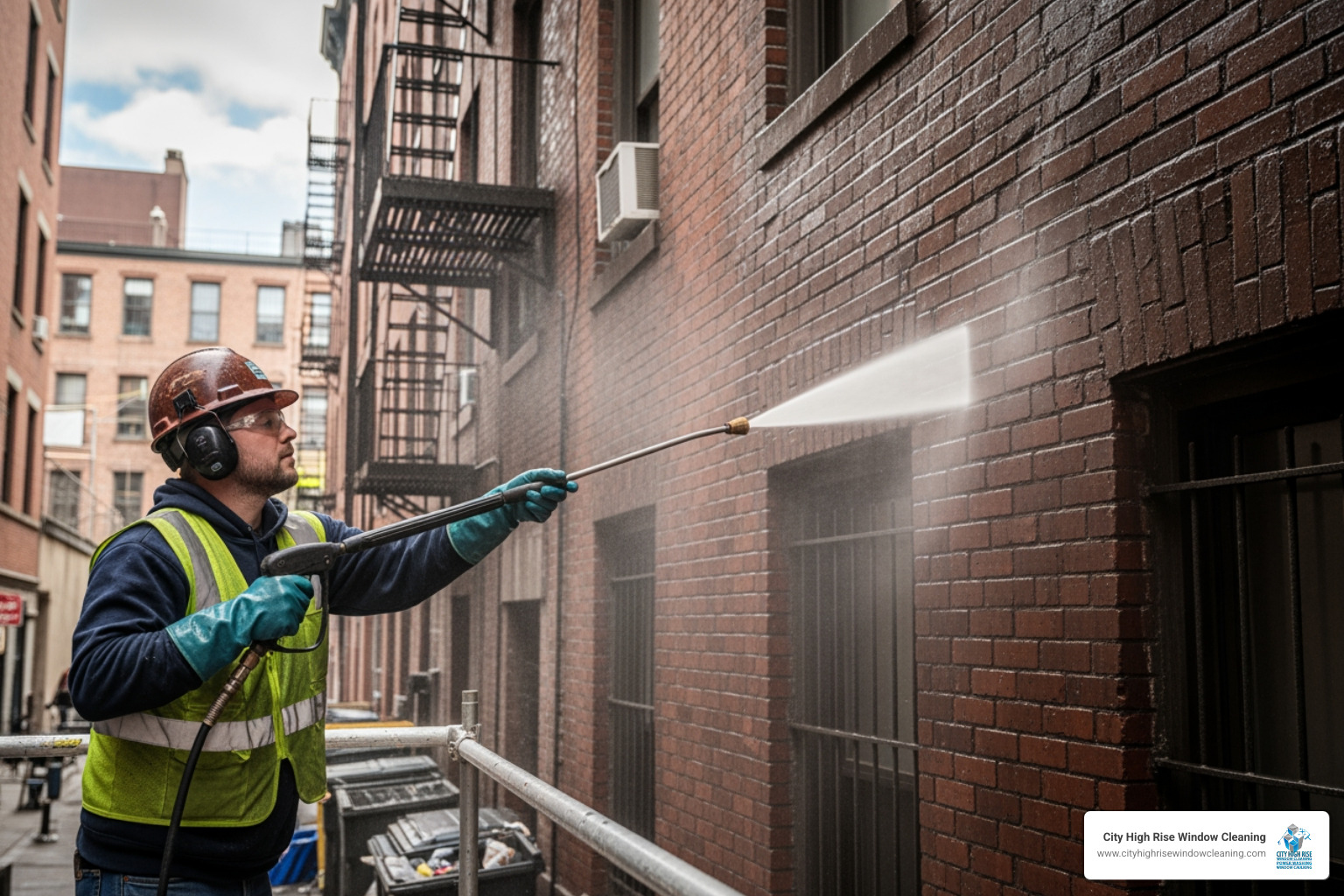
Proper prep is critical for safety and effectiveness. We start by assessing the surface material (concrete, wood, vinyl, etc.) to determine the correct pressure and solution. We then clear the area of furniture and debris and protect delicate landscaping, plants, and electrical outlets with tarps. Our team always uses safety gear, including goggles, chemical-resistant gloves, and non-slip shoes, while managing water runoff to comply with local NYC area regulations.
Step 2: Applying the Cleaning Solution
This step is where chemistry does the heavy lifting. We apply our specialized cleaning solution using a low-pressure method, like a pump sprayer, to ensure even coverage. We then let the solution sit on the surface for 10-20 minutes (dwell time). This allows the biocides to penetrate and break down the algae. During this time, we ensure the solution doesn’t dry out, lightly misting it with water if needed to keep it active.
Step 3: The Algae Removal Power Washing Technique
This step requires precision and a steady hand. We always work from the top down to prevent dirty water from streaking cleaned areas.
Selecting the right nozzle and distance is critical. For concrete, we might use a 15- or 25-degree nozzle held 6-12 inches away. For more delicate wood or vinyl siding, we switch to a wider 40-degree nozzle from 12-18 inches away to reduce the risk of damage. On roofs, we use extremely low pressure, relying on the cleaning solution rather than force to dislodge algae.
We use smooth, overlapping sweeps to ensure even cleaning and prevent “zebra stripes.\” Our team is trained to constantly monitor the surface, avoid spraying windows or vents, and never hold the nozzle in one spot for too long, which can etch or cut materials.
Step 4: Final Rinse and Inspection
A thorough rinse is just as important as the wash. We switch to a low-pressure rinse with a 40-degree nozzle, working from top to bottom to wash away all cleaning solution and debris. Any residue can attract dirt, so we are meticulous.
We allow the surface to dry fully (24-48 hours) and then perform a final inspection in good daylight, as some faint stains only appear when dry. If any stubborn spots remain, we address them immediately. For persistent issues after construction, we may recommend our specialized Post Construction Cleaning services for a comprehensive result.
This systematic approach is what guarantees lasting results and protects your property from damage.
After the Wash: Prevention and Long-Term Maintenance
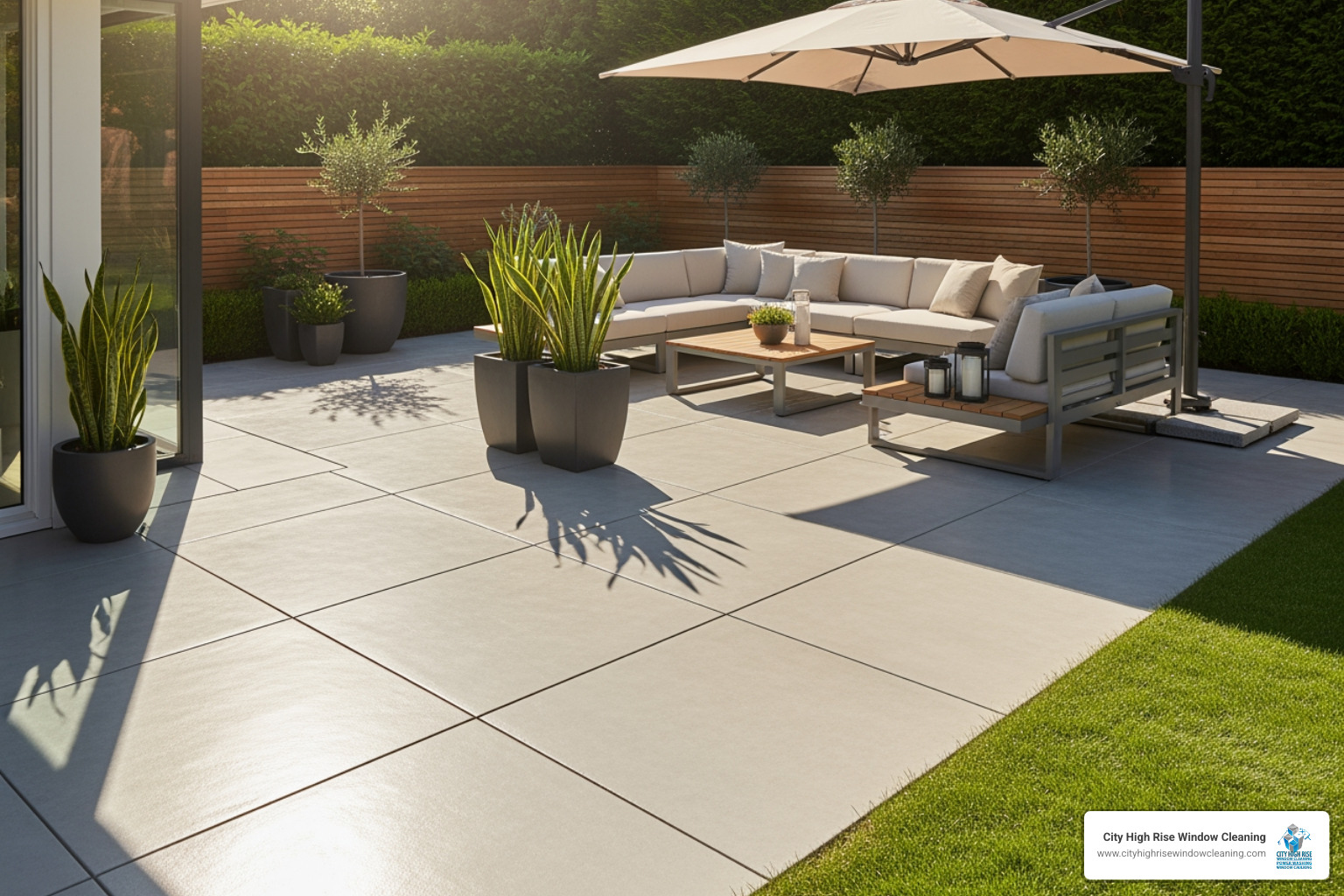
After a successful algae removal power washing, the goal is to keep it from coming back. Preventing algae growth is about eliminating the conditions that allow it to thrive.
How to Prevent Algae from Returning
- Apply Protective Sealants: One of the most effective strategies is sealing surfaces after they are clean and completely dry (24-48 hours). A quality siloxane-based sealer for concrete or a water-repellent product like Thompson’s WaterSeal for wood fills in pores where spores settle.
- Improve Environmental Conditions: Increase sunlight exposure by trimming overhanging tree branches and bushes. More sun means drier surfaces, which algae hates.
- Ensure Proper Drainage: Eliminate standing water. Clean gutters regularly and consider regrading areas where puddles form to encourage proper runoff.
- Install Zinc or Copper Strips: On roofs, installing these metal strips near the ridge creates a natural defense system. As rain washes over them, they release microscopic, algae-toxic particles.
How Often to Power Wash
The humid climate across New York City, Long Island, New Jersey, and Westchester means algae can return relatively quickly. The exact frequency depends on your property’s specific conditions.
Properties with significant shade or poor drainage may need cleaning twice a year, while a sunny, well-drained, and sealed patio might stay clean for 18-24 months. For most properties in our service area, we recommend an annual or bi-annual power wash schedule. This proactive approach is always cheaper than future repairs. For multi-property or high-rise buildings, a consistent Facade Restoration maintenance schedule is the best way to protect your investment year-round.
DIY vs. Hiring a Professional: When to Call the Experts
For a small concrete patio, a DIY approach to algae removal power washing might seem tempting to save on labor costs. However, the risks often outweigh the rewards.
Common DIY Risks:
- Surface Damage: Using incorrect pressure is the most common disaster. It can etch concrete, splinter wood, strip paint, and ruin siding or roof shingles. A rental machine doesn’t come with the experience to know which pressure is safe.
- Safety Hazards: Power washers can cause serious injury, and working on wet surfaces or ladders significantly increases the risk of falls.
- Incomplete Removal: Without professional-grade solutions, you may only blast away visible algae, leaving spores behind to regrow in just a few months.
- Chemical Misuse: Incorrectly mixing solutions can damage plants, harm pets, or corrode metal fixtures.
When you hire a professional like City High Rise Window Cleaning, you get expertise, industrial-grade equipment, and full insurance. We guarantee complete removal and long-lasting results with our 100% customer satisfaction guarantee.
You should absolutely call a professional for:
- High-rise buildings requiring specialized High Rise Hot Water Power Washing.
- Delicate surfaces like stucco, painted wood, or older roofs.
- Large-scale commercial or residential projects.
- Any job that requires working at heights.
For more insights, check out our blog on Power Washing. If you’re unsure about the material you’re cleaning, professional help is the smart choice to protect your investment. Our comprehensive Services cover all your exterior needs.
Frequently Asked Questions about Algae Removal Power Washing
Can power washing damage my siding or roof?
Yes, if done incorrectly. Using excessive pressure can etch wood, strip paint, or damage roof shingles. This is why soft washing, a low-pressure technique, is recommended for delicate surfaces. Professionals are trained to select the right pressure and technique for each material.
Is it safe to use bleach for algae removal?
While a diluted bleach solution can kill algae, it also poses risks. It can harm surrounding plants, discolor certain surfaces, and corrode metal fixtures like gutters. Safer, biodegradable, algae-specific cleaners are often a better choice for effective and environmentally-conscious cleaning.
How long does it take for algae to disappear after power washing?
With power washing, the visual results are immediate. The high-pressure water physically strips the algae from the surface. For soft washing methods that rely on cleaners, it may take a few hours to a day for the full effect to be visible as the solution kills the organism.
What’s the difference between power washing and soft washing for algae?
Power washing uses high-pressure water to blast away contaminants and is best for hard surfaces like concrete. Soft washing uses low-pressure water combined with specialized cleaning solutions to kill algae, mold, and mildew at the root. Soft washing is the preferred method for more fragile surfaces like vinyl siding, stucco, and roofs.
How often should I have algae removed from my property in the NYC area?
In humid areas like New York City, Long Island, New Jersey, and Westchester, I generally recommend an annual or bi-annual cleaning. Factors like shade, proximity to trees, and drainage can increase the frequency needed to keep algae at bay and prevent damage.
Your Partner in a Cleaner, Safer Property
Effective algae removal power washing is a systematic process of assessment, treatment, and prevention. Understanding why algae grows allows you to remove it safely and keep it from returning. Using the right pressure, solution, and technique is critical to restoring your property’s beauty without causing damage.
While some small jobs can be DIY, the expertise of a professional is essential for large-scale commercial properties, high-rise buildings, and delicate surfaces across New York City, Long Island, and New Jersey. At City High Rise Window Cleaning, our 30+ years of experience and 100% customer satisfaction guarantee ensure a safe, thorough, and lasting result.
We offer a full suite of exterior maintenance options, from specialized High Rise Hot Water Power Washing and Facade Restoration to Window Restoration. Explore our comprehensive Services to protect your investment.
Ready for a free quote? City High Rise Window Cleaning offers 24/7 live consultation. Call 917-749-8342 to speak to a live representative.


