

Equip Your Business: A Handyman’s Guide to Pressure Washers and Their Costs
Equip Your Business: A Handyman’s Guide to Pressure Washers and Their Costs
Why Choosing the Right Handyman Pressure Washer Protects Your Profit Margins
A handyman pressure washer is more than a convenience—it’s a business decision that impacts your efficiency, safety, and bottom line every single day. According to industry professionals, the wrong equipment can lead to damaged surfaces, lawsuits, and insurance headaches that drain your profits faster than you can clean a driveway.
Quick Answer: Choosing a Handyman Pressure Washer
For professional handyman work, prioritize these specifications:
- Minimum Flow Rate: 4-5 GPM (gallons per minute) for efficient cleaning
- Pressure Range: 2,000-3,200 PSI for most commercial applications
- Pump Type: Cat pumps outlast competitors like Briggs & Stratton
- Engine: Honda engines recommended for reliability and longevity
- Budget Range: $500 can get you a solid starter unit (3.2 GPM Simpson or used Honda-powered models)
- Business Use: Gas models preferred over electric for mobility and power
The research is clear: professionals who skimp on pump quality or buy undersized units end up spending more on repairs, replacements, and liability claims. One Reddit handyman reported that insurance companies are increasingly scrutinizing pressure washing services due to a surge in property damage claims—especially from contractors using the wrong tips or pressure settings on concrete and wood surfaces.
Gas vs. Electric
| Factor | Gas | Electric |
|---|---|---|
| Power | 3,000+ PSI typical | Usually under 2,000 PSI |
| Mobility | Unlimited (no cord) | Limited by extension cord |
| Maintenance | Oil changes, fuel, spark plugs | Minimal |
| Noise | Louder | Quieter |
| Best For | Commercial handyman jobs | Light residential work |
The Hidden Cost of Cheap Equipment
Rental pressure washers cost $70-$100 per day. If you’re doing even two jobs per month, that’s $1,680 per year in rental fees—enough to buy a quality unit outright. But more importantly, professionals recommend investing in durable pumps like Cat brand because they outlast cheaper alternatives, keeping your business running when competitors are stuck at the repair shop.
I’m Brett Hochman, and with over 48 years in exterior building maintenance across New York, Long Island, New Jersey, and Westchester, I’ve seen how the right handyman pressure washer equipment separates profitable contractors from those who struggle with constant breakdowns and liability issues. At City High Rise Window Cleaning, we rely on commercial-grade pressure washing systems to deliver safe, efficient results on everything from high rise hot water power washing to ground-level facade restoration.
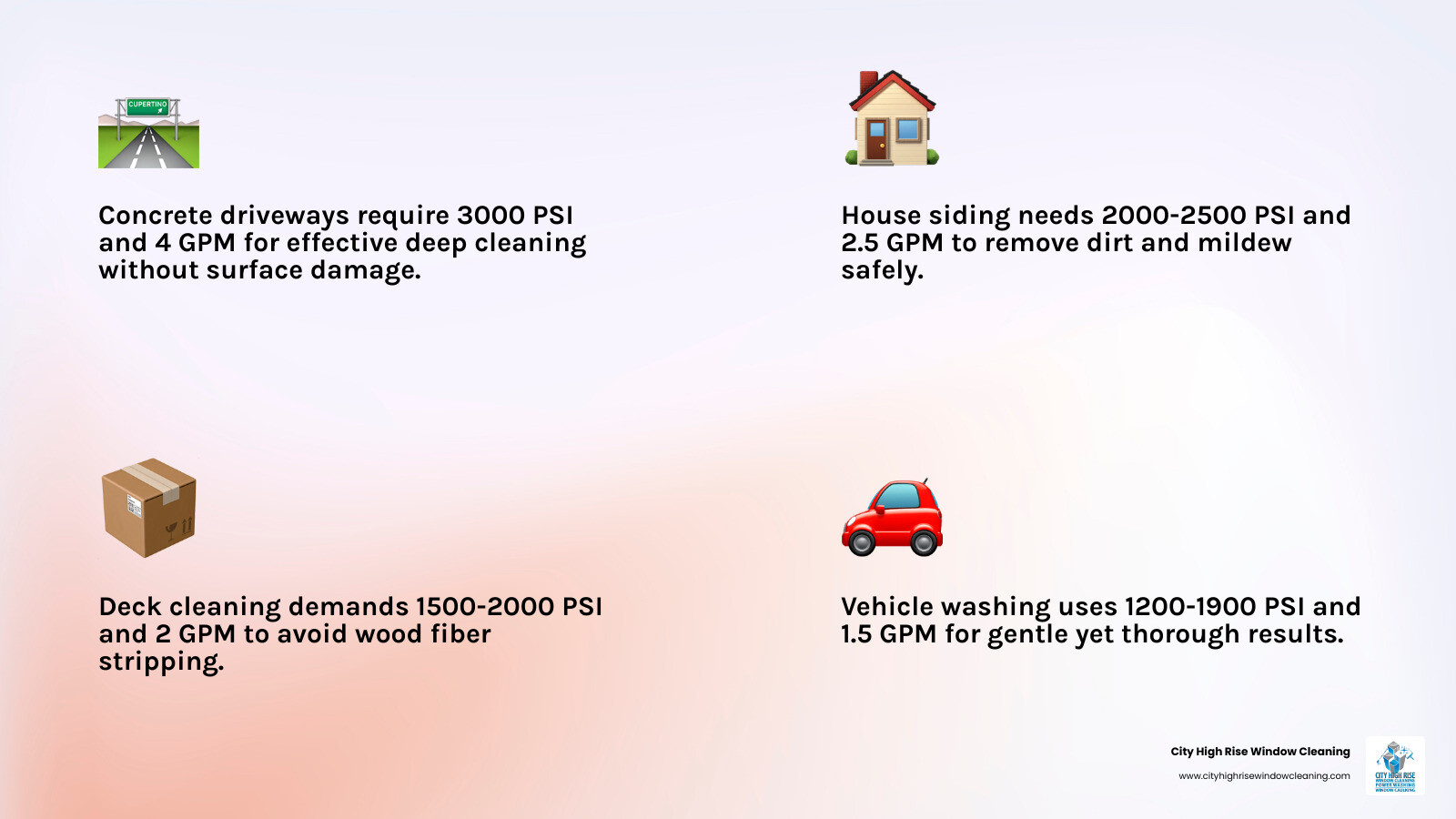
Handy handyman pressure washer terms:
Choosing the Right Handyman Pressure Washer: PSI, GPM, and Pump Specs
When I’m evaluating a new handyman pressure washer, I look past the shiny plastic casing and focus on the “big three”: PSI, GPM, and the pump type. These specs determine whether you’ll be finishing a driveway in 45 minutes or spending four hours struggling with a “wand” that feels like a garden hose.
PSI vs. GPM: What Actually Cleans?
PSI (Pounds per Square Inch) is the “stripping” power. It’s what breaks the bond between the dirt and the surface. GPM (Gallons per Minute) is your “rinsing” power. In the professional world of NYC and NJ exterior cleaning, GPM is king. A high GPM allows you to wash away debris faster. While a homeowner might be happy with 2.0 GPM, a professional handyman pressure washer should aim for at least 4.0 GPM to ensure the job is profitable.
Pump Types: Axial vs. Triplex
- Axial Pumps: Found on most entry-level machines. They are designed for occasional use (about 60-100 hours of total life). If you are running a business, these will fail you within a season.
- Triplex Pumps: These are the gold standard. They run cooler, last longer, and are completely rebuildable. Cat pumps are widely considered the best in the industry, often outlasting the engines they are attached to.
Engines and Reliability
For a gas-powered handyman pressure washer, a Honda engine is the industry favorite for a reason: they start on the first pull. Whether you’re working a residential site in Long Island or a commercial lot in Westchester, you can’t afford to waste 20 minutes wrestling with a pull-cord.
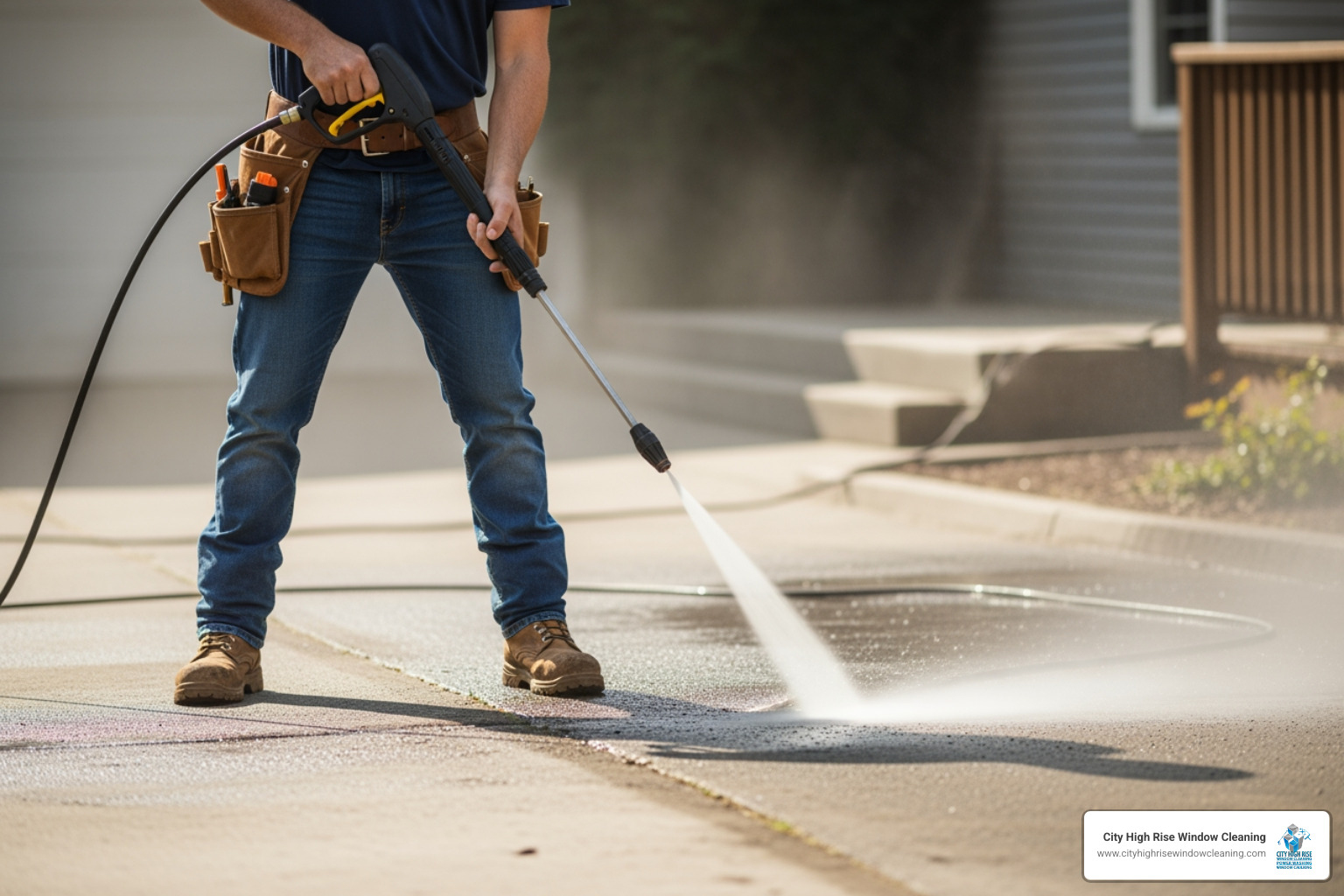
For heavy-duty grime, especially in urban environments like Manhattan, standard cold water often isn’t enough. That’s where high rise hot water power washing comes in. Hot water cuts through oil and grease that cold water simply moves around.
Best Handyman Pressure Washer Models for a $500 Budget
I know that when you’re starting out or expanding your handyman services, a $3,000 trailer-mounted rig isn’t always in the cards. You can still get a professional-grade start with a $500 budget if you shop smart.
- Simpson Cleaning MSH3125 MegaShot: Often found right around the $400-$500 mark, this unit pairs a Honda GC190 engine with an axial pump. It delivers 3200 PSI at 2.5 GPM. It’s a great “bridge” machine for a handyman doing occasional washing.
- Homdox 3200 PSI Gas Pressure Washer: This is a budget-friendly commercial-style unit. It features a 79CC gas engine and delivers 2.4 GPM. It’s EPA/CARB/ETL certified, making it a legal and safe choice for work in NJ and NYC. You can find more details on the Homdox 3200PSI Pressure Washer product page.
- The Used Market Strategy: Many professionals recommend looking for a used Honda-powered unit with a 4 GPM flow rate on Facebook Marketplace or Craigslist. If you can find a used unit with a Cat pump for $500, jump on it—just be sure to test the pump for leaks before handing over the cash.
Professional Setup: Nozzles, Chemicals, and Must-Have Accessories
The machine is only half the battle. To work like a pro, you need the right “business end” attachments. Using only the wand that came in the box is a recipe for “tiger striping”—those ugly streaks left behind on concrete.
Surface Cleaners: The Ultimate Time Saver
If you are cleaning more than one driveway a month, a surface cleaner is mandatory. A Whisper Wash 24 inch surface cleaner can clean a large area up to 10 times faster than a standard nozzle. These units hover over the ground, providing a consistent, streak-free clean. For most handyman pressure washer units, a 15-inch to 20-inch surface cleaner is the “sweet spot” to match your GPM.
The Nozzle Color Code
- Red (0°): Never use this on a house or deck. It’s a laser beam that can cut through wood and skin. Use it only for extreme spot cleaning on concrete.
- Yellow (15°): Good for heavy-duty stripping of paint or concrete cleaning.
- Green (25°): The “safe” professional standard for siding and decks.
- White (40°): Best for delicate surfaces like windows or vehicles.
- Black (Soap): Low pressure for siphoning detergents.
Chemicals and Pre-treatments
Don’t just rely on water. Using the right chemicals makes the job easier and protects the surface.
- Oxygen Bleach: My top recommendation for wood decks. Unlike pool chlorine, it won’t damage the wood’s lignin or corrode metal fasteners.
- Downstreaming: This technique uses a chemical injector to pull detergent into the line after the pump, preventing internal pump damage.
- Penetrating Sealers: After cleaning masonry, upselling a sealer (which often costs less than $2 per square foot) protects the work and adds a nice profit margin to your handyman job.
Check out more commercial pressure washer surface cleaners to see which fits your rig.
Maintenance and Safety: Protecting Your Business Investment
In my 30+ years with City High Rise Window Cleaning, I’ve learned that a “five-minute check” saves a five-day delay. If your handyman pressure washer goes down on a Tuesday morning in New Jersey, you aren’t just losing that job—you’re losing your reputation.
Daily and Weekly Maintenance Checklist
To keep your machine humming, follow this routine based on the Essential Daily and Weekly Pressure Washer Maintenance Guide:
- Daily: Check engine oil and pump oil. Inspect the water inlet filter for debris. Flush the system with clean water after using chemicals to prevent corrosion.
- Weekly: Inspect hoses for “bubbles” or abrasions. Check the O-rings in your quick-connects. A $1 O-ring can cause a pressure drop that makes the machine unusable.
- Winterizing: If you’re working in Westchester or Long Island, you know the freeze is coming. Always use a pump protector (antifreeze/lubricant) before storing your unit for the winter to prevent the pump manifold from cracking.
Safety and PPE
Pressure washing is dangerous. A 3,000 PSI stream can cause an injection injury that requires immediate surgery.
- Eye Protection: Always wear Z87+ rated safety glasses.
- Footwear: Never wash in flip-flops or sneakers. Steel-toe, waterproof boots are the professional standard.
- Hearing Protection: Gas engines are loud; protect your ears during long shifts.
For more on safe home cleaning, see this Homeowner’s Guide to Pressure Washing a House.
Pricing Your Handyman Pressure Washer Services in NYC and NJ
Pricing is where many handymen fail. They charge for their time instead of the value and the equipment. In the NYC metro area, you have to account for travel, tolls, and high insurance premiums.
- Flat Rate vs. Square Foot: For driveways and decks, square foot pricing ($0.20 to $0.50 per sq. ft.) is standard. For smaller “add-on” tasks, a flat rate is better.
- The “NYC Tax”: If you’re working in the city, your pricing should reflect the difficulty of parking and water access.
- Liability Insurance: Ensure your policy specifically covers “Care, Custody, and Control.” Standard general liability might not cover you if you accidentally strip the paint off a client’s expensive mahogany front door.
Stay updated on pricing trends through our Power Washing Blog Category.
Step-by-Step Guides for Common Handyman Cleaning Tasks
Success as a handyman pressure washer professional comes down to technique. Here is how I handle the three most common requests:
1. Concrete Driveways and Walkways
- Prep: Sweep away loose debris and pre-treat oil stains with a degreaser.
- Wash: Use a surface cleaner. Work in slow, overlapping passes to avoid “zebra stripes.”
- Rinse: Use a 25-degree nozzle to push all the dirty water toward the street or a drain.
2. House Washing (Vinyl and Brick)
- Angle is Everything: Never spray upward under siding laps; you’ll trap water behind the walls and cause mold.
- Top-Down: Always wash from the top down so the dirty water doesn’t run over clean sections.
- Distance: Keep the nozzle at least 6-12 inches away. If you’re too close to vinyl, you’ll crack it.
3. Deck Prep and Cleaning
- Chemicals First: Apply your wood cleaner (oxygen bleach) and let it dwell for 10-15 minutes. Don’t let it dry!
- Low Pressure: Wood is soft. Use a wide fan pattern (40-degree) and stay at least 12 inches away. You want to wash the wood, not “fur” the grain.
For a deeper dive into specific equipment techniques, I often recommend this complete guide to Karcher pressure washers, as many of the principles apply across all brands.
Frequently Asked Questions about Handyman Pressure Washing
What is the minimum GPM a handyman needs for professional work?
While you can “get by” with 2.5 GPM, I strongly recommend a minimum of 4.0 GPM. This allows you to use professional surface cleaners effectively. If you plan on doing large commercial lots, 5.0 GPM is the gold standard for speed and profit.
Can I use a handyman pressure washer to clean a roof safely?
Generally, no. High pressure can destroy asphalt shingles by stripping the granules. Professionals use “Soft Washing,” which relies on chemicals (sodium hypochlorite) and very low pressure (under 100 PSI). Unless you are trained in soft washing, avoid roofs to minimize liability.
Should I buy a new or used gas pressure washer for my business?
If your budget is tight ($500), a high-quality used unit with a Honda engine and a Triplex pump is a better “business” move than a brand-new, cheap plastic unit from a big-box store. A used professional machine is built to be repaired; a cheap new machine is built to be thrown away.
Conclusion
Equipping your business with the right handyman pressure washer is the difference between a “side hustle” and a professional service. By prioritizing GPM over PSI, investing in a Triplex pump, and maintaining a strict safety and maintenance schedule, you ensure that every job is profitable and every client is satisfied.
At City High Rise Window Cleaning, we’ve spent three decades perfecting these techniques across New York, New Jersey, and Long Island. Whether it’s a complex high rise hot water power washing project or a detailed window restoration, we bring the same commitment to quality that you should bring to your handyman business.
Ready for a free quote? City High Rise Window Cleaning offers 24/7 live consultation. Call 917-749-8342 to speak to a live representative.


